

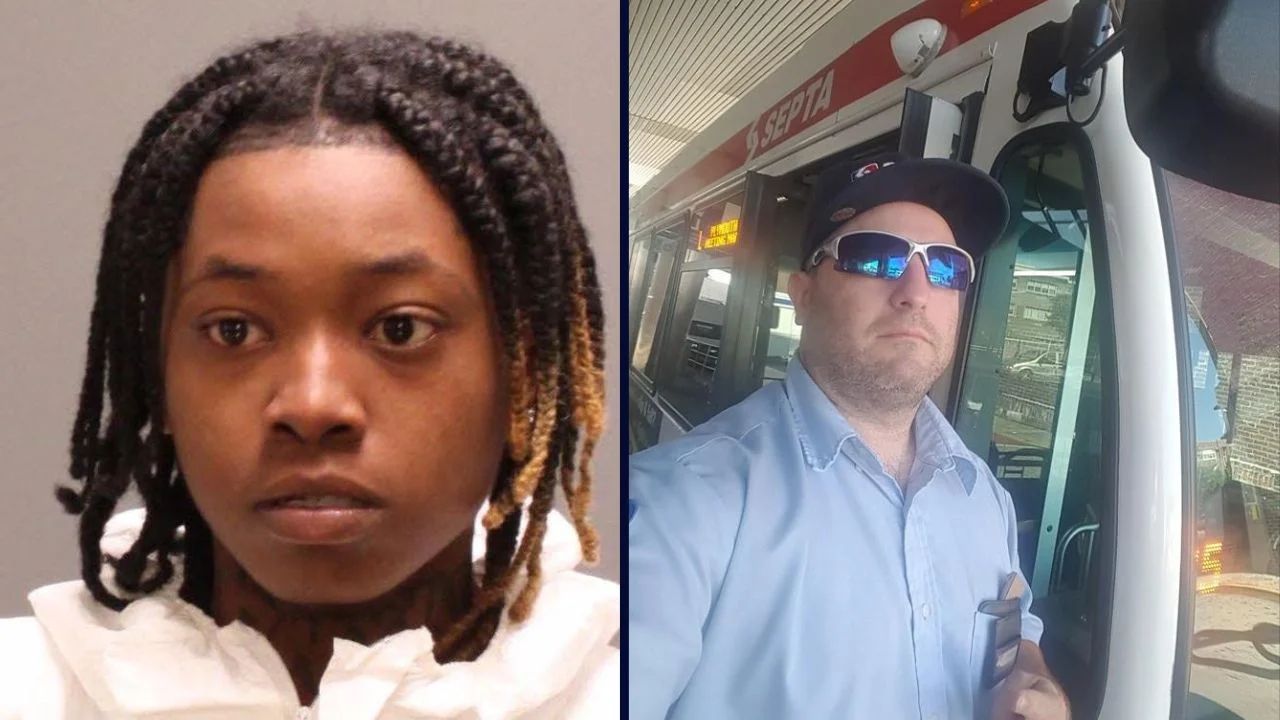
Zhontay Capers, 24, has been sentenced to between 32 and 33 years at the minimum and up to 67 years in prison for the fatal shooting of Bernard Gribbin, a longtime Southeastern Pennsylvania Transportation Authority (SEPTA) bus operator.
The sentence was handed down on October 9, 2026, nearly three years after the shooting that took Gribbin’s life and left his family and colleagues grieving.
Capers pleaded guilty in August to third-degree murder and related charges, including offenses involving reckless endangerment. The case stemmed from a shooting aboard a Route 23 bus in Philadelphia’s Germantown neighborhood on October 26, 2023.
How the Fatal Shooting Unfolded
Prosecutors said Gribbin was driving his regular route when he stopped near Germantown Avenue and Abbottsford Avenue shortly before 10:30 a.m.
Capers opened fire on the driver, striking him multiple times. She then exited the bus and continued shooting before fleeing the scene.
Gribbin was rushed to a nearby hospital, where he died from his injuries.
The sudden gunfire sent passengers scrambling to escape. Some reportedly used emergency exits and bus windows to get away from the danger. No other injuries were reported.
Police later arrested Capers in connection with the killing. Investigators did not establish a clear motive for the attack.
Gribbin Was a Dedicated SEPTA Employee
Gribbin had spent 12 years working for SEPTA, serving passengers and helping people reach their daily destinations.
His death deeply affected fellow transit workers, who said he was known for his positive attitude and dedication to his job.
Following the shooting, colleagues and loved ones gathered to remember him and honor his life. Their tributes reflected the loss felt by a family man who had gone to work that morning, as he had countless times before.
Keith Bradford, a union representative for SEPTA’s Midvale District, previously spoke about the risks transit employees face while carrying out their duties. He emphasized that workers report for their shifts to support their families, not expecting that an ordinary workday could turn deadly.
SEPTA Officials Call for Stronger Protections
Gribbin’s killing also renewed concerns about the safety of public transportation employees.
SEPTA leadership said the agency was working with state lawmakers to strengthen penalties for assaults against transit workers. Officials stressed that although no action could bring Gribbin back, improving protections for employees remained an important priority.
The issue has particular significance for drivers who spend their shifts interacting with the public while operating buses on busy city streets.
For Gribbin’s coworkers, his death became a painful reminder of the risks that can accompany a job many people depend on every day.
Family Says Capers Had Been Struggling Before the Shooting
In the aftermath of the killing, Capers’ family said she had been experiencing a mental health crisis.
Relatives explained that her grandmother, who had raised her, died about a week before the shooting. They believed the loss had contributed to a period of severe emotional distress and isolation.
The family also said they had struggled to get her the help they believed she needed before the incident. They expressed hope that she would receive appropriate mental health support while serving her sentence.
Those statements provided the family’s account of her condition before the shooting, but authorities did not establish a definitive motive for the killing.
A Case That Continues to Raise Safety Concerns
Capers’ sentence brings a major development in a case that has remained significant for Gribbin’s loved ones and Philadelphia’s transit workforce.
Her guilty plea resolved the criminal case without a trial on the original first-degree murder charge. She will now serve a lengthy prison term for the killing.
For Gribbin’s family and colleagues, however, the sentence cannot undo the loss of someone they knew as a dedicated employee, friend and family member.
His death has also kept attention on the need to protect public transit workers as they carry out essential services for communities across Philadelphia.
