

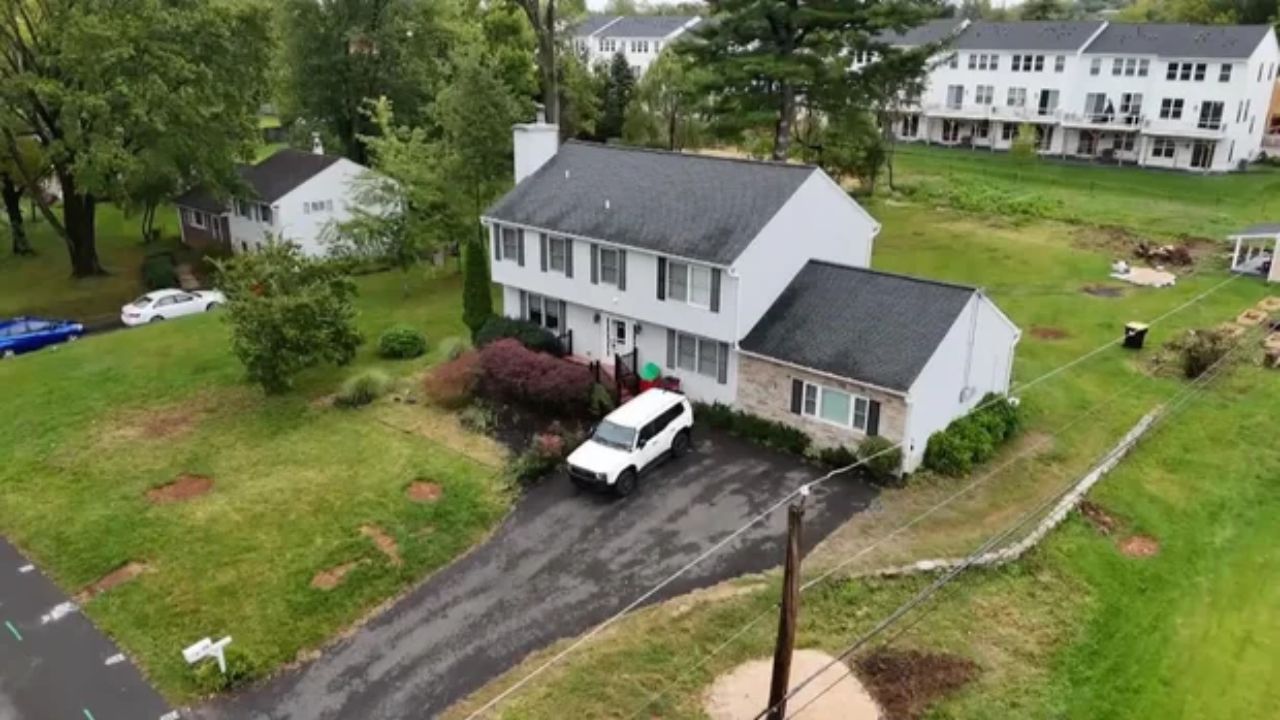
Investigators have ended a weeks-long forensic search at a Philadelphia property known as the “house of horrors,” but the investigation into seven missing women remains far from over.
Authorities wrapped up their work at the home on West Chew Avenue in the city’s Olney neighborhood shortly before noon on Friday, Oct. 23, after spending approximately three weeks examining the property for possible human remains and other evidence.
The search ended without the discovery of human remains. Bones found in the backyard on Oct. 15 were later identified as animal bones, disappointing hopes that the excavation might provide answers about the missing women.
Although investigators have finished this phase of the physical search, other evidence collected at the property is still undergoing examination. The next stage of the investigation is expected to focus heavily on a vast collection of photographs and videos recovered from the home.
Backyard discovery did not produce the answers investigators sought
The discovery of bones in the backyard initially raised questions about whether investigators had located evidence connected to the missing women.
The Philadelphia Medical Examiner’s Office examined the material, and subsequent testing determined that the bones belonged to animals rather than humans.
Investigators had been carefully excavating the property, removing soil and examining areas where evidence might have been concealed. The work also involved examining other materials and locations around the house as detectives attempted to establish what may have happened there.
Despite the absence of human remains, the search was not entirely without results. Authorities collected items of potential investigative value, some of which have been sent for additional testing.
The end of the excavation does not mean the broader investigation has been closed. Instead, it marks a transition from an extensive physical search toward further analysis of evidence already recovered.
Why the Olney property remains central to the case
The home at 417 West Chew Avenue once belonged to Raymond “R.C.” Horsch, who died in 2025. Investigators suspect that evidence recovered from the property could help explain the disappearances of several women.
The investigation began gaining momentum in June 2026 after the arrest of Horsch’s son, Eugene Horsch, following a traffic stop in Philadelphia.
Authorities said the stop led to the discovery of firearms and other items, including a false law-enforcement credential. A woman accompanying Eugene allegedly possessed identification belonging to another woman who had been reported missing.
That discovery prompted investigators to examine the family’s connection to the missing-person cases and search the Chew Avenue residence.
During the investigation, detectives recovered more than one million photographs and videos from the property. Investigators have been reviewing the material to identify women, establish timelines and determine whether the recordings contain evidence of criminal acts.
Authorities have connected seven missing women to Raymond Horsch and the residence. Five of those women are feared to be dead, based on evidence investigators have reviewed.
The identities and circumstances surrounding all the women have not been fully resolved publicly, and no human remains connected to them have been recovered from the property.
Investigators are still examining possible DNA evidence
One of the most important developments during the recent search involved the use of luminol inside the home’s basement.
Luminol is a chemical used by crime-scene investigators to detect possible traces of blood that may not be visible to the naked eye. When it reacts with certain substances, it can produce a faint glow in dark conditions.
The treatment revealed areas of interest, and investigators collected material for further forensic analysis.
However, a luminol reaction does not independently prove that a stain is blood or establish whose DNA may be present. Laboratory testing is necessary to determine what the samples contain and whether they can be linked to a particular person.
Investigators are awaiting the results of testing on human DNA recovered during the examination. They will attempt to determine whether the material matches any of the women associated with the case.
A confirmed match could help investigators reconstruct events at the property, although the significance of any DNA evidence would depend on the laboratory findings and the surrounding circumstances.
For families waiting for information about missing loved ones, those results could become an important part of the search for answers.
More than one million files could hold crucial clues
With the latest property search complete, investigators are expected to continue examining the enormous collection of digital evidence recovered from the residence.
The photographs and videos have become a central part of the case because investigators say some of the material depicts real-life violence and apparent killings.
Authorities have not publicly detailed every recording or explained the full extent of what the evidence establishes. Investigators are continuing to assess the material and compare it with information about missing women.
Reviewing such a large collection can be painstaking work. Detectives must identify individuals, establish when and where recordings were made, and determine whether the images can be connected to specific criminal acts or missing-person investigations.
The evidence could also help guide further forensic testing by identifying locations inside the home that deserve additional examination.
Investigators have not announced that the digital evidence has conclusively established responsibility for every disappearance connected to the property.
Why investigators are treating the Chalfont home differently
Attention has also turned to another property associated with Raymond Horsch in Chalfont, Pennsylvania, in Bucks County.
The difference in investigative activity at the two homes has prompted questions about why the Olney residence has received such extensive forensic attention.
According to information provided by people familiar with the investigation, the focus on Chew Avenue is driven by the violent content found in the digital evidence associated with that property.
Raymond Horsch also produced adult films at the Chalfont home, but the available accounts indicate that investigators have not identified comparable evidence of violence in the recordings associated with that residence.
The distinction matters because investigators must follow evidence rather than assume that every property connected to a person of interest played the same role in suspected crimes.
Authorities have not publicly established that the Chalfont property was involved in the alleged killings under investigation.
Eugene Horsch remains in custody as the investigation continues
Eugene Horsch remains in custody while facing federal firearms and other charges arising from the circumstances surrounding his arrest.
Those charges are separate from the unresolved investigation into the missing women and the alleged violent acts connected to his late father.
Investigators have not publicly announced that Eugene has been charged with the suspected killings being examined in the Chew Avenue investigation. His custody should not be interpreted as proof of involvement in those alleged crimes.
The case involving the missing women remains an active investigation, with authorities working to determine what happened to those who disappeared and whether the evidence supports additional criminal charges.
The search may be over, but major questions remain
The end of the physical search brings one phase of the investigation to a close, but it has not resolved the mystery surrounding the seven missing women.
No human remains have been found at the Olney property, the bones discovered in the backyard were animal remains, and forensic testing is still pending on other evidence collected inside the home.
Investigators now face the challenge of connecting the digital files, DNA findings and other recovered materials into a reliable account of what happened.
For families and others following the case, the most important unanswered questions remain the same: What happened to the missing women, can their disappearances be definitively linked to the property, and will investigators gather enough evidence to establish criminal responsibility?
Until forensic results and further investigative findings provide clearer answers, the case remains unresolved.
