

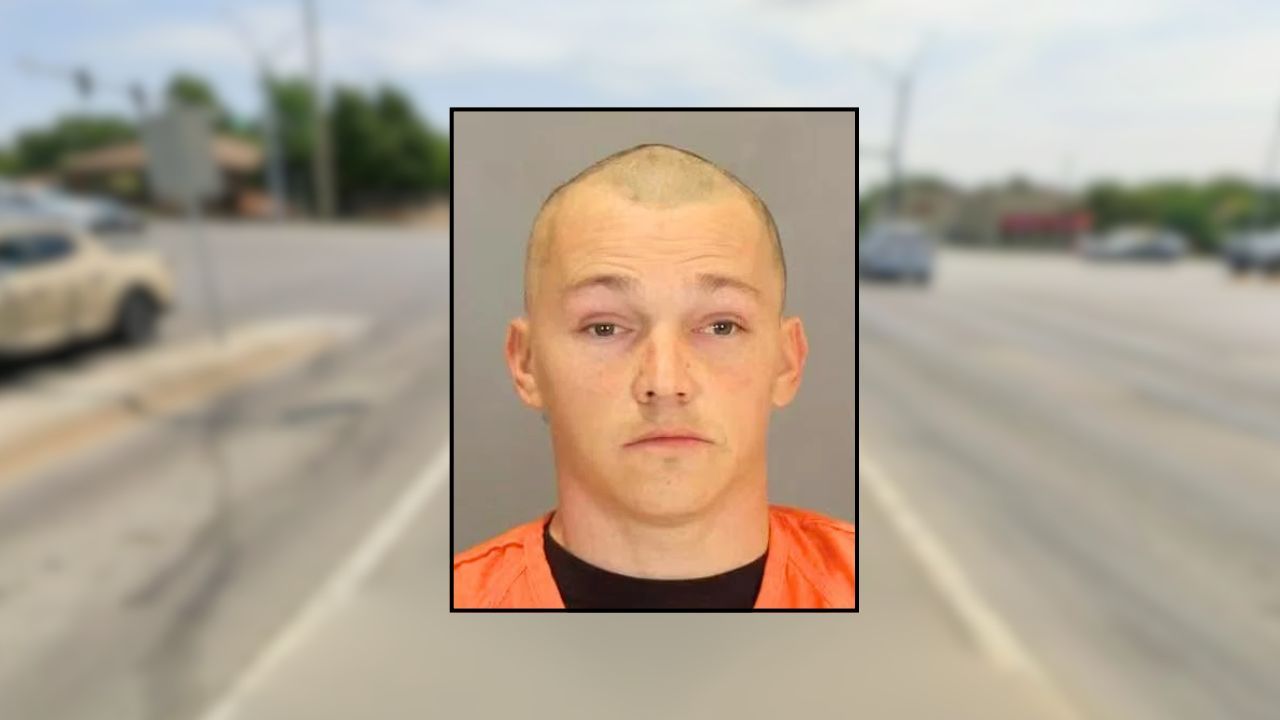
A dispute over a lane change in Omaha, Nebraska, ended with a gunshot, a shattered rear windshield and a prison sentence for a 36-year-old man.
Trevor Masters has been sentenced to four to eight years in prison after pleading no contest to discharging a firearm at an occupied motor vehicle. The case stemmed from a road-rage confrontation on March 20, 2026, when prosecutors said Masters fired at another driver’s vehicle as the man was leaving a convenience store parking lot.
The incident began with a seemingly ordinary traffic disagreement. But according to investigators, the confrontation escalated after both drivers ended up near a convenience store around South 144th and Harrison streets.
Masters allegedly threatened to shoot the other driver before firing a round that shattered the vehicle’s rear windshield.
Four additional charges were dismissed as part of the plea agreement, bringing the case to a resolution with the prison sentence.
A lane dispute turned into a confrontation
The incident occurred at approximately 6 p.m. on March 20. According to investigators, the other driver was attempting to turn onto Harrison Street when he realized he was in the wrong lane.
He tried to move into another lane, but Masters, who was driving a Ford pickup truck, allegedly refused to let him merge.
The disagreement continued after the drivers reached a nearby convenience store. Instead of ending with the traffic dispute, the encounter developed into a heated argument.
According to the account provided to police, Masters claimed he had a gun and threatened to put the other man “on a T-shirt” — a phrase often associated with threats to kill someone.
The other driver reportedly responded, “Go get your gun then,” as he began leaving the parking lot.
Investigators said Masters then fired at the departing vehicle, shattering its rear windshield.
The shot transformed a road-rage argument into a criminal case involving the use of a firearm against a vehicle that had someone inside.
Police tracked down the pickup truck
After the shooting, Masters allegedly got into his Ford pickup and drove away from the scene.
Investigators later traced the vehicle to Masters’ lawn-care business. Police arrested him the following day.
According to reports about the investigation, Masters admitted to firing the gun. That admission, along with the circumstances surrounding the shattered windshield, became part of the case against him.
The incident illustrates how quickly aggressive driving and an argument between strangers can escalate into a potentially deadly situation. A dispute that began with a disagreement over road positioning ended with a firearm being discharged at another person’s vehicle.
Although no death was reported in this case, firing at an occupied vehicle can place the driver and others nearby at serious risk, even when no one is struck by the bullet.
A no-contest plea led to prison time
Masters entered a no-contest plea to the charge of discharging a firearm at an occupied motor vehicle. A no-contest plea means a defendant does not contest the charge; it is not the same as a conventional guilty plea, although it can result in a conviction and sentencing.
The court sentenced Masters to four to eight years in prison. Four other charges were dropped under the plea agreement.
He also received credit for 215 days already served in custody following his arrest.
According to reports, Masters will become eligible for parole after serving three and a half years. Parole eligibility does not guarantee release, and the final decision depends on the applicable process.
The sentence closes one stage of the case, though the consequences of the incident extend beyond the courtroom.
Why firing at an occupied vehicle carries serious consequences
Nebraska law specifically addresses the unlawful discharge of a firearm at an occupied motor vehicle. Under Nebraska Revised Statute 28-1212.02, intentionally firing at an occupied vehicle is classified as a felony. A separate provision, Section 28-1212.04, addresses certain intentional or reckless firearm discharges directed at people or occupied vehicles in specified locations.
These laws reflect the serious danger created when a firearm is used during a confrontation. A bullet can injure someone inside a vehicle, endanger bystanders or cause a driver to lose control while trying to escape the situation.
In Masters’ case, the rear windshield was shattered during the shooting. The available reports do not establish that anyone was physically struck by the bullet, but the incident could have ended much more seriously.
The outcome also serves as a reminder that threats made during road-rage confrontations can have consequences long after the argument itself has ended.
A reminder about road rage
Traffic disagreements are common, but following another driver, exchanging threats or escalating an argument can turn a brief moment of frustration into a dangerous encounter.
Safety experts generally recommend creating distance from an aggressive driver, avoiding confrontational gestures and refusing to engage in arguments. If a driver appears threatening, moving toward a safe public location and contacting law enforcement is generally safer than challenging the person.
For Masters, the confrontation that began with a disputed lane change resulted in a felony conviction and a prison sentence of four to eight years.
The case underscores how a few moments of anger on the road can carry consequences that last for years.
