

A New Baltimore tattoo shop owner’s tongue-in-cheek offer involving Flock cameras has gone viral, turning a joke about surveillance technology into a broader conversation about privacy, public safety and how the cameras are used.
Steven Jean, owner of The Alien Body Shop, posted an unusual offer on Instagram: Bring a Flock camera to his shop and he would give you a free tattoo.
The post was intended as satire. Instead, it quickly spread across social media.
Jean told CBS News Detroit that the post had been viewed more than 2 million times. He also began receiving photos and videos from people showing damaged Flock cameras.
Jean said the reaction went far beyond what he expected, but he stressed that his offer was never intended to encourage anyone to steal or damage the cameras.
That distinction matters because Flock cameras are installed as part of local public-safety systems, and intentionally damaging someone else’s property can lead to criminal consequences.
Why Flock cameras have become controversial
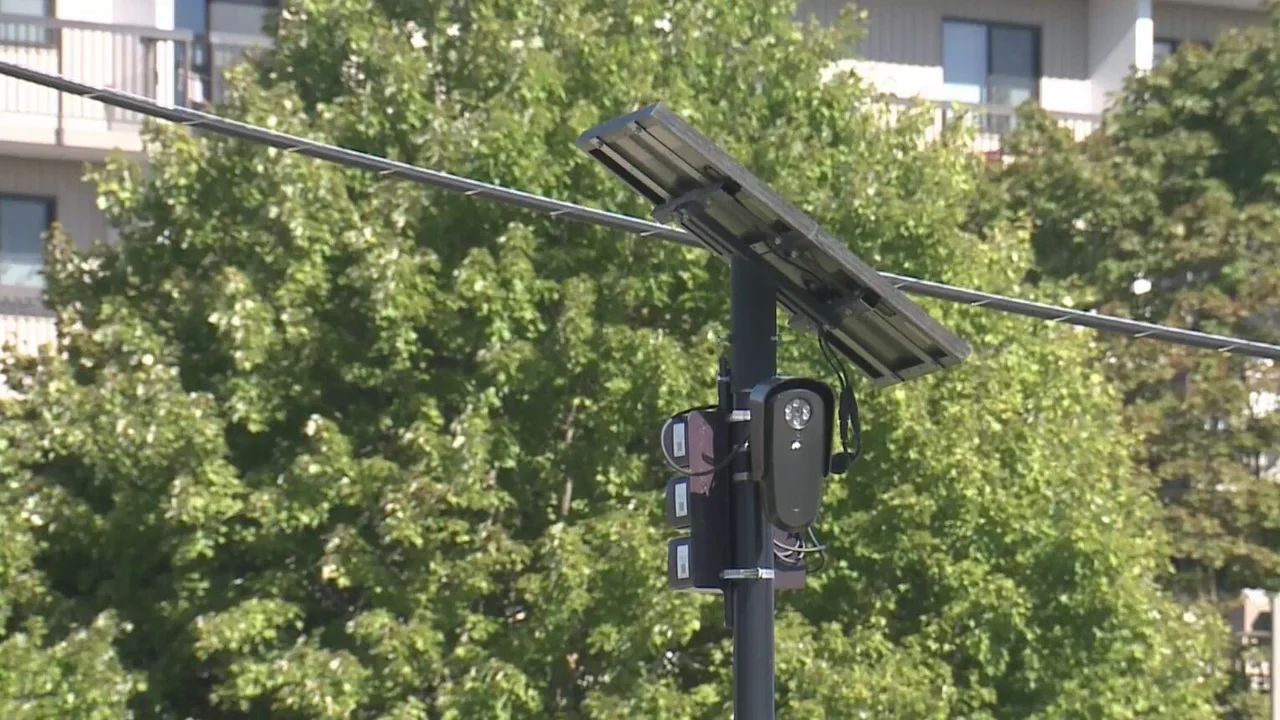
Flock cameras are automated license plate readers that capture images of vehicles along with information such as license plates, vehicle characteristics, dates, times and camera locations. They are used by law enforcement agencies to help investigate crimes and locate vehicles of interest.
New Baltimore approved a one-year, $7,500 agreement in 2025 for two Flock cameras in the downtown area.
Supporters say the technology can help investigators identify vehicles connected to serious crimes, stolen vehicles and other investigations. Critics, meanwhile, have raised questions about privacy, data retention and how broadly the information can be accessed or shared.
Those concerns have continued to grow as more communities review how the technology is used.
Flock announced in August that it would move toward a seven-day default retention period for license-plate data, although local agencies can have different retention arrangements. The company also said agencies can preserve specific information when it is needed for an active investigation.
A debate that goes beyond New Baltimore
Jean said he understands why law enforcement may find the cameras useful while also believing there should be limits on where they are deployed and how the information is handled.
He suggested that cameras could be particularly useful around situations involving serious crimes, such as kidnappings or sexual assaults.
Former Detroit Police Assistant Chief Steve Dolunt also said the technology can be valuable during criminal investigations, while arguing that safeguards should be in place to prevent misuse.
One concern discussed around Flock systems is how long collected information should remain available. Dolunt said data that is not connected to an active investigation should not necessarily be kept indefinitely.
The debate has become more prominent in Michigan as lawmakers and communities consider additional rules surrounding license-plate reader technology, including questions about retention and appropriate use.
Jean says the tattoo offer was never meant literally
The viral response has produced some unexpected messages for Jean.
He said people have contacted him claiming they were involved in damaging Flock cameras, including one person who said they had been arrested for vandalizing one. Jean joked that such a story might qualify for the free tattoo he originally offered.
He has also considered creating tattoo designs inspired by Flock cameras.
But Jean’s main message is much simpler: The original offer was a joke, not an invitation to break the law.
“Please do not bring Flock cameras to my shop!” Jean said, emphasizing that the point was to have some fun while getting people to talk about the technology.
For Jean, the enormous response to a simple social media post appears to have demonstrated just how divided people are over Flock cameras.
What started as a tattoo shop marketing stunt has become part of a much larger discussion in Metro Detroit — one that asks where communities should draw the line between using technology to help solve crimes and protecting residents’ privacy.
