

Maryland Rep. Andy Harris has introduced legislation that would temporarily eliminate the federal taxes on gasoline and diesel through the end of 2026, as drivers and businesses continue to face elevated fuel costs.
Harris, a Republican who represents Maryland’s 1st Congressional District, introduced the proposal on Sept. 15. His office said the measure is intended to provide short-term relief to families, drivers, small businesses and the trucking industry.
Under the proposal, the federal gasoline tax of 18.4 cents per gallon and the 24.4-cent-per-gallon federal diesel tax would be suspended through the end of the year. The measure would not take effect unless Congress passes it and it is signed into law.
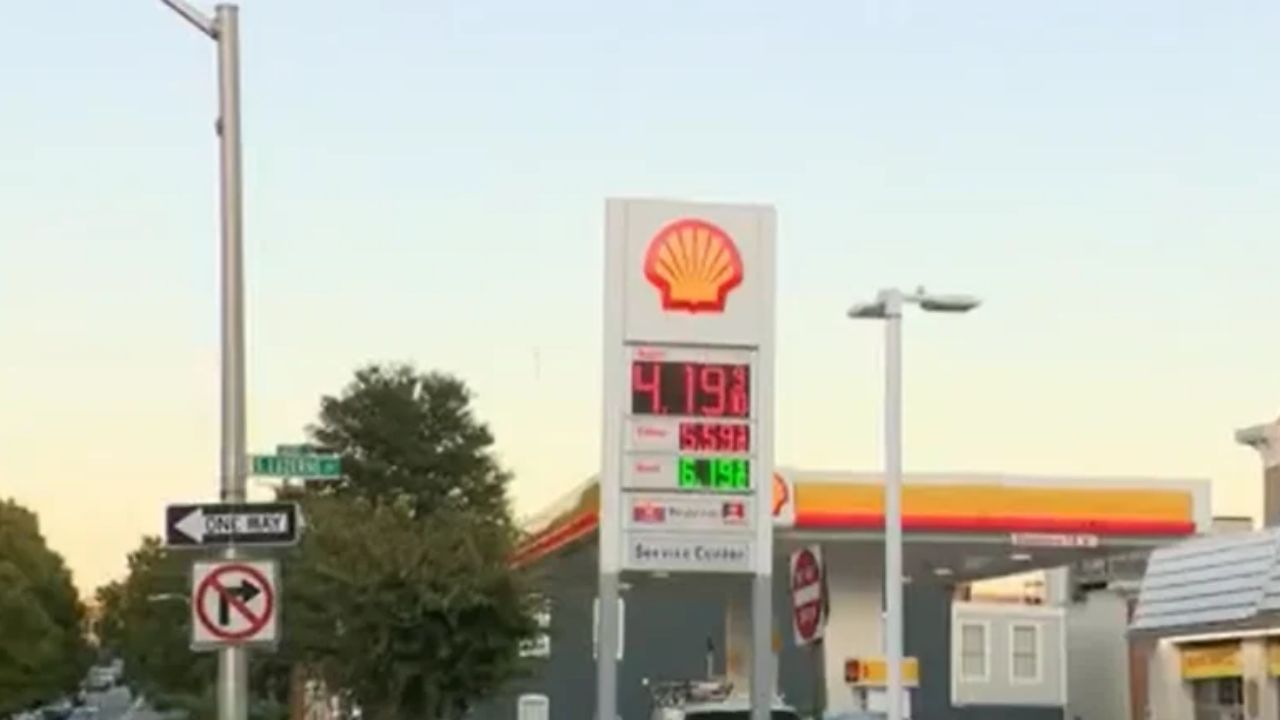
The proposal comes as fuel prices remain significantly higher than they were a year ago. AAA data from Sept. 15 showed Maryland’s average price for regular gasoline at about $4.20 per gallon. That compares with roughly $3.06 per gallon at the same time last year. Maryland’s average diesel price was about $6.21 per gallon, according to the same data.
Harris said the cost of fuel is putting pressure on people who depend on their vehicles for work as well as companies that move goods across the country.
“Families and truckers need some immediate relief from the high cost of fuel to drive to work or haul goods across this country,” Harris said when announcing the legislation.
The timing of the proposal also puts the measure in the middle of an already closely watched election-year period. Harris has pointed to the November midterm elections as the backdrop for the push, although the legislation itself would still have to move through Congress before drivers could see any change at the pump.
What the proposal would change
The federal government currently collects 18.4 cents in tax on every gallon of gasoline and 24.4 cents on every gallon of diesel. Harris’ bill would temporarily suspend both taxes through the end of 2026.
For drivers, the proposal could remove the federal portion of the fuel tax from the price of gasoline and diesel during the suspension period. The actual amount consumers save at the pump, however, could depend on how fuel prices and other market costs move during that period.
The measure is also significant for trucking companies, which use large amounts of diesel to transport goods. Changes in fuel costs can affect operating expenses for commercial carriers and other businesses that rely heavily on transportation.
Maryland gas prices remain elevated
The proposal arrives as Maryland drivers are paying considerably more for fuel than they were a year ago.
AAA’s latest Maryland figures show regular gasoline averaging $4.2016 per gallon as of Sept. 15, compared with $3.0615 a year earlier. The current diesel average was $6.2051 per gallon.
Fuel prices have also been moving higher nationally. AAA reported on Sept. 10 that the national average for regular gasoline had risen to about $4.27 per gallon, with crude oil prices climbing amid continued volatility around the Strait of Hormuz.
That broader pressure on fuel markets has made the cost of gasoline and diesel a continuing concern for drivers, commuters and businesses.
Harris’ proposal marks a change from 2022
The new legislation also brings renewed attention to Harris’ position on the federal gas tax.
In 2022, when President Joe Biden and congressional Democrats called for a temporary suspension of the federal gas tax as gasoline prices surged, Harris criticized the proposal. His current push represents a different position from the one he expressed at that time.
President Donald Trump has also previously called for temporarily suspending the federal gas tax as fuel prices increased.
For Harris’ latest proposal to become law, Congress would need to approve the legislation before it could take effect. Until that happens, the existing federal gasoline and diesel taxes remain in place.
For Maryland drivers watching prices at the pump, the immediate question is whether the proposal advances quickly enough to provide any relief before the end of the year. As of Sept. 15, Harris had introduced the legislation, but no federal gas-tax suspension had taken effect.
