

Three wildfires have kept crews busy across Michigan’s Upper Peninsula, with investigators confirming that lightning sparked one of the fires while the causes of the other two remain under investigation.
The fires have burned hundreds of acres across Gogebic, Baraga and Marquette counties, prompting temporary trail and park closures and warnings for people living near the affected areas.
The Michigan Department of Natural Resources has reported progress in containing all three fires, helped by recent rainfall and cooler weather. However, difficult terrain, lingering heat beneath the forest floor and the risk of falling trees continue to complicate firefighting operations.
As of Friday, October 16, the Craig Lake Fire was about 70% contained, the Black River Fire was 70% contained, and the Ridge Fire was 40% contained.
Lightning confirmed as the cause of the Craig Lake Fire
The Craig Lake Fire is burning north of Craig Lake State Park in Baraga County. Investigators determined that lightning from storms between October 5 and October 8 caused the fire.
According to state officials, lightning can ignite vegetation that continues to smolder for several days before weather conditions cause the fire to spread. That appears to be what happened in this case.
The fire was discovered by a Michigan DNR pilot on October 8. By October 16, it had burned approximately 606 acres and was 70% contained.
Although containment efforts have advanced, officials have restricted access to parts of the park while crews continue working in the area.
The section of Craig Lake State Park north of Craig Lake proper, along with the Teddy Lake Yurt and a portion of the North Country Trail inside the park, remains closed through October 26. The remainder of the park is open, according to state park information.
Visitors should check current closure information before making plans to hike, camp or explore the area.
Black River Fire continues near Wakefield
The Black River Fire is burning approximately four miles south of Wakefield in Gogebic County, in the western Upper Peninsula.
The fire covers roughly 350 acres and was 70% contained as of October 16. The Michigan DNR took over management of the incident from the U.S. Forest Service earlier in the week.
Despite the progress, the heavily wooded location and limited access have made suppression work challenging.
Investigators had not confirmed the cause of the Black River Fire as of the latest available update. Officials have asked the public to stay away from the fire area to avoid safety risks and prevent interference with firefighting operations.
The distinction is important because investigators have confirmed lightning as the cause of the Craig Lake Fire, but the origins of the Black River and Ridge fires remain unresolved.
Ridge Fire remains a concern near Marquette
The Ridge Fire, located about 10 miles northwest of Marquette and north of the Dead River Basin, had burned approximately 466 acres by October 16. It was 40% contained at that time.
A DNR pilot spotted the fire on October 9. Investigators are still working to determine how it started.
The rugged landscape has created significant challenges for firefighters trying to reach the affected areas and establish containment lines.
Residents along North Basin Drive remain under the state’s “Ready” preparedness status. This means people should stay alert, monitor emergency updates and be prepared to leave if conditions worsen.
Earlier in the response, some residents near County Road 510 were evacuated as the fire approached nearby homes. Those evacuation orders were later lifted after conditions improved, although restrictions on certain trails remained in place.
The Noquemanon Trail system west of the County Road 510 trailhead continues to be affected by closures.
Rain has helped, but firefighters still face dangerous conditions
Recent rainfall, cooler temperatures and higher humidity have helped reduce fire activity across the region. These conditions have given crews more opportunities to strengthen containment lines and patrol affected areas.
However, rain does not necessarily extinguish a wildfire completely.
Michigan’s DNR has warned that drought conditions have allowed some fires to burn deep into the layer of partially decomposed organic material beneath the forest floor. In some locations, the fire has reached depths of around two feet.
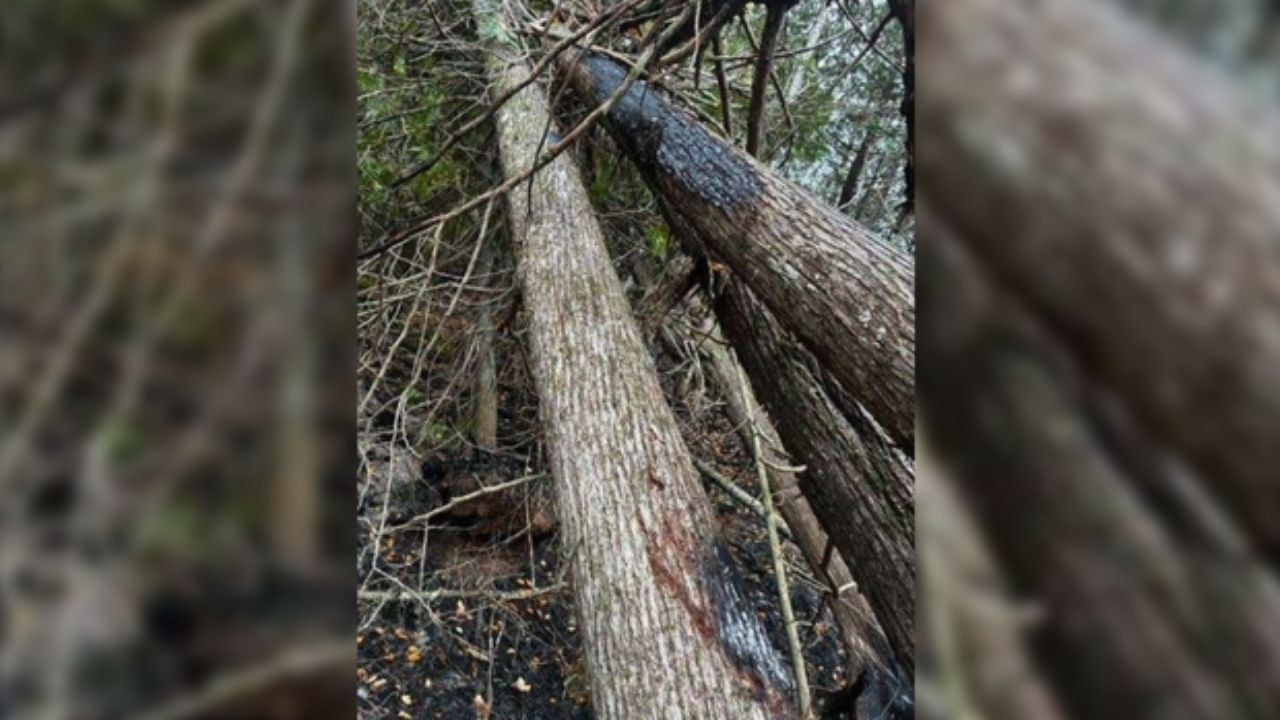
That underground burning can damage tree roots and weaken trees that may still appear healthy. Such trees can fall without warning, creating additional hazards for firefighters and anyone entering the affected areas.
Wet weather has also made some roads muddy and slippery, complicating access for heavy equipment.
These challenges mean that a fire reported as partially contained can still require significant monitoring and suppression work.
Drones and public access remain major safety concerns
Officials have urged the public to avoid the active fire areas while aircraft and ground crews continue their work.
Temporary flight restrictions have been established over the Ridge and Craig Lake fires within a five-nautical-mile radius and below 3,500 feet. Recreational drones are prohibited in those areas because they can interfere with firefighting aircraft.
When unauthorized drones enter an active wildfire area, aircraft operations may have to stop until it is safe to resume. That can delay efforts to monitor the fire or deliver water to difficult-to-reach locations.
Visitors are also being asked to respect trail and park closures, even where flames are no longer visible.
Falling trees, unstable ground and lingering hot spots can remain dangerous after the most active fire behavior has subsided.
What residents and visitors should know
People living near the Ridge Fire should continue monitoring local emergency alerts and be prepared to evacuate if officials change the current readiness status.
Residents can take practical steps by keeping vehicles accessible, preparing essential supplies and knowing where they would go if an evacuation becomes necessary.
Anyone planning to visit Craig Lake State Park should check the latest closure notices before traveling. Areas outside the designated closures remain open, but conditions can change as crews continue their work.
The DNR also reminds residents to check Michigan’s burn-permit requirements before burning yard debris or starting outdoor fires. Even small sources of ignition can become dangerous when vegetation is dry.
Investigation into the fires continues
The three wildfires highlight how lightning, dry vegetation and changing weather conditions can combine to create dangerous situations in forested areas.
While investigators have established lightning as the cause of the Craig Lake Fire, the origins of the Black River and Ridge fires remain under investigation.
Firefighters continue to focus on containment, monitoring and public safety across the affected counties.
Recent weather has provided some relief, but officials are still urging residents and visitors to follow restrictions and remain alert until crews can bring the incidents under control.
