

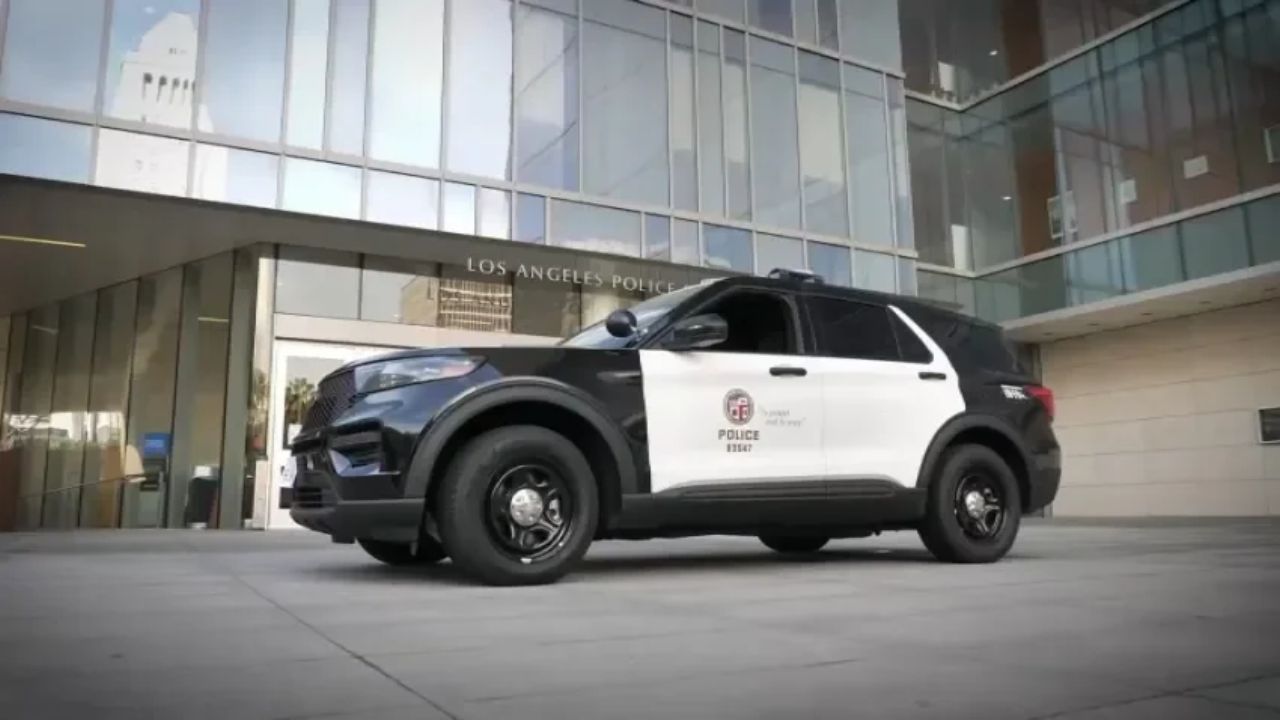
The Los Angeles Police Department is preparing to expand its use of automated license plate readers while also testing a new system that could place additional surveillance cameras on existing streetlights across the city.
The LAPD is seeking approval for a new 10-year agreement with Axon Enterprise valued at about $235 million. The proposed contract would cover a broad range of police technology, including roughly 1,600 in-car camera systems with automated license plate recognition capabilities, along with body-worn cameras, Tasers and digital evidence storage.
At the same time, the department has agreed to a separate three-month, no-cost pilot of Axon Lightpost, a fixed camera system designed to attach to existing streetlights. The pilot is intended to evaluate whether the technology can expand the department’s ability to detect and record vehicle information from fixed locations.
Under the proposed pilot, cameras would be installed on existing streetlight infrastructure rather than requiring new poles. Axon’s Lightpost system combines automated license plate recognition with vehicle-attribute detection and live video capabilities. The system was developed with Ubicquia, which provides the hardware used to connect the cameras to existing streetlight infrastructure.
The locations for the LAPD pilot cameras have not yet been announced.
The proposed expansion comes as the department faces continued scrutiny over how automated license plate reader information is collected, retained and shared. A July review by the LAPD’s Office of Inspector General raised concerns about the department’s agreements involving Axon, Motorola Solutions and Flock Safety and called for a closer examination of privacy and data-sharing practices.
Those concerns have also become part of a broader debate in Los Angeles. In May, Councilmember Ysabel Jurado introduced a motion seeking to halt the expansion of Flock Safety technology and asking the LAPD to provide more information about what data is collected, where cameras are located and whether outside agencies have accessed the information.
The LAPD’s existing policy says automated license plate reader information is intended for law-enforcement purposes and restricts sharing with outside agencies that do not have an authorized agreement. Department materials describe ALPR data as including a photograph of a vehicle’s plate along with the date, time and location associated with the capture.
The proposed Axon agreement would also bring changes beyond license plate surveillance. It includes replacement of thousands of body-worn cameras and Tasers, expanded cloud storage for digital evidence and additional software features.
One of the new tools is Axon’s Draft One, which is designed to use audio and transcript information from body-worn cameras to generate a first draft of a police report for an officer to review. The LAPD’s proposed rollout is scheduled to begin with a pilot after the contract is executed, with a phased deployment starting in January 2028.
The department already uses Axon Fleet 3 in its patrol vehicles. LAPD announced the deployment of the in-car camera system in 2023, describing it as a connected system capable of recording multiple views around a patrol vehicle and uploading video through the department’s digital evidence infrastructure.
The newer Lightpost technology would take that approach beyond patrol vehicles. Axon says the system can operate continuously from existing light poles, combining license plate recognition, vehicle-attribute recognition and live video. Its hardware can use the existing electrical infrastructure of a streetlight, allowing the cameras to be installed without building separate poles.
For Los Angeles residents, the proposed changes could mean that license plate detection becomes available from both moving police vehicles and selected fixed locations. The department has not publicly identified the pilot locations, so the extent of the initial streetlight deployment remains unclear.
The proposed contract and pilot also come at a time when Los Angeles officials are weighing how expanded surveillance technology should be balanced with privacy and oversight requirements. The technology could give investigators another source of vehicle information, while questions about data access, retention and sharing remain part of the public discussion.
The Board of Police Commissioners is expected to consider the proposed agreements as the LAPD moves forward with its next generation of camera, evidence-storage and license plate-reader technology.
