

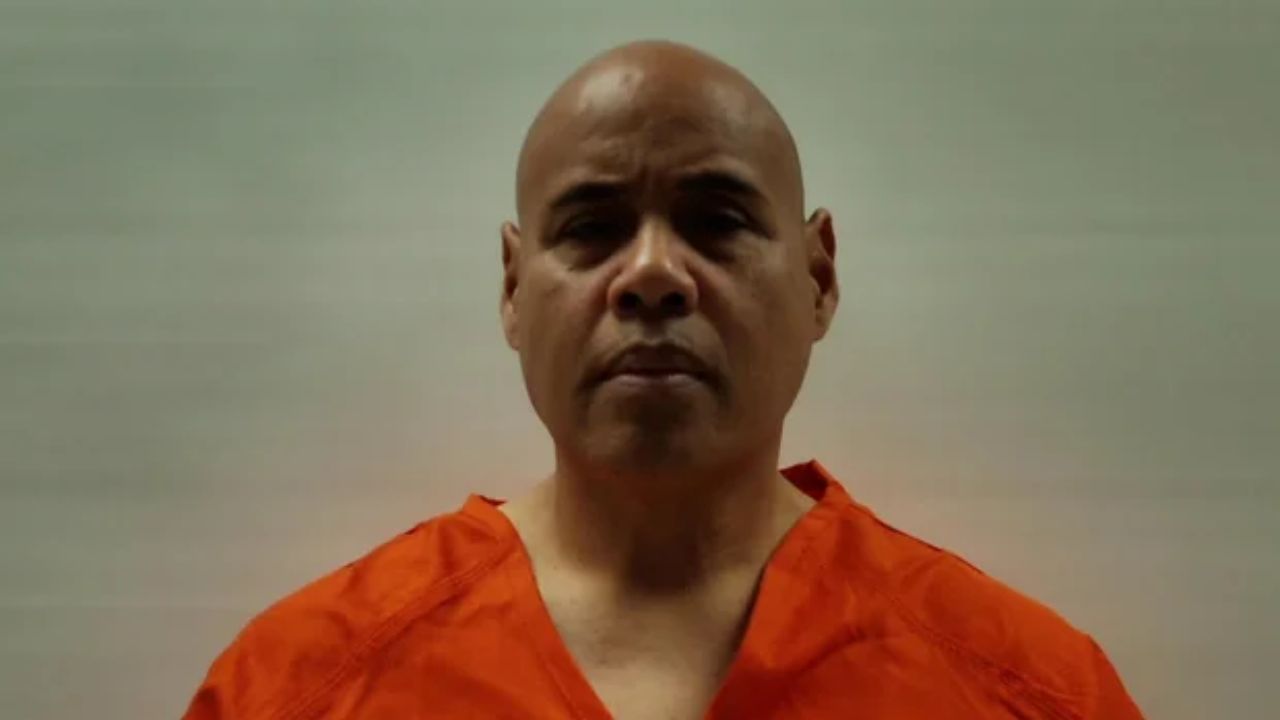
WASHINGTON — U.S. Immigration and Customs Enforcement officer Christian Castro is back in federal custody after being indicted over statements investigators say he made about a January shooting that wounded a Venezuelan immigrant in Minneapolis.
Castro was taken into custody in Texas on Thursday, shortly after a federal grand jury returned a six-count indictment against him. The indictment had not yet been publicly unsealed, and he was expected to make his first federal court appearance Friday.
The federal case adds a new development to a dispute that has stretched across Minnesota and Texas for months. Castro was already facing state charges in Minnesota stemming from the Jan. 14 shooting of Julio Cesar Sosa-Celis during the federal immigration enforcement operation known as Operation Metro Surge.
Sosa-Celis was shot in the leg outside his home in north Minneapolis. Castro has maintained that he acted in self-defense after being attacked during an attempt to arrest another man.
That account later came under scrutiny as investigators reviewed video and other evidence surrounding the encounter.
Federal prosecutors had initially charged Sosa-Celis and Alfredo Alejandro Aljorna with assaulting, resisting or interfering with federal officers. Those charges were dismissed in February after prosecutors said newly discovered evidence was materially inconsistent with the allegations.
The government’s account of the encounter had also changed in the days following the shooting. An early account said Sosa-Celis had fled from a traffic stop, crashed a vehicle and then ran from the scene. It also alleged that two men attacked an ICE officer with a broom handle and a snow shovel.
Later evidence presented a different sequence of events. Investigators said Aljorna was the person who fled and that Sosa-Celis became involved after Castro attempted to arrest Aljorna. Cellphone and other video evidence also raised questions about the officers’ descriptions of what happened immediately before the shooting.
Former acting ICE Director Todd Lyons said earlier this year that video evidence appeared to contradict sworn statements made by Castro and another officer. Both officers were placed on administrative leave, and Castro was later suspended without pay.
The federal indictment focuses on alleged false statements rather than charging Castro with a federal civil rights violation over the shooting itself.
The development comes after a separate legal fight over Minnesota’s effort to bring Castro back from Texas. Minnesota prosecutors charged him in May with four counts of second-degree assault and one count of falsely reporting a crime. A nationwide warrant was issued after the charges were filed.
Texas Gov. Greg Abbott declined to sign the extradition paperwork sought by Minnesota, leading to a dispute between the two states. A federal judge in Texas later declined Minnesota’s request to force the extradition, ruling that the matter was not yet ripe for federal intervention.
Castro was subsequently released from a Texas jail after the state’s 90-day detention period expired.
His release had drawn criticism from Minnesota officials, who argued that he should be returned to the state to face the existing charges. Minnesota Attorney General Keith Ellison had also raised concerns about the possibility that Castro could leave the country.
Now, the federal indictment has brought Castro back into custody.
The case has also raised questions inside the Justice Department. Matthew Evans, a federal prosecutor who had been investigating the shooting for possible civil rights violations, was fired, according to people familiar with the matter. He had reportedly objected to limiting the federal case to allegations involving false statements.
Evans is also under investigation over allegations that he leaked information about the case. The Justice Department has not publicly detailed the investigation.
For Sosa-Celis, the federal charges represent another step in a case that has already involved conflicting accounts, dismissed federal charges and a lengthy fight over Castro’s custody.
The federal proceedings will now determine how the six-count indictment against Castro moves forward. His Minnesota state case remains separate from the federal prosecution.
