

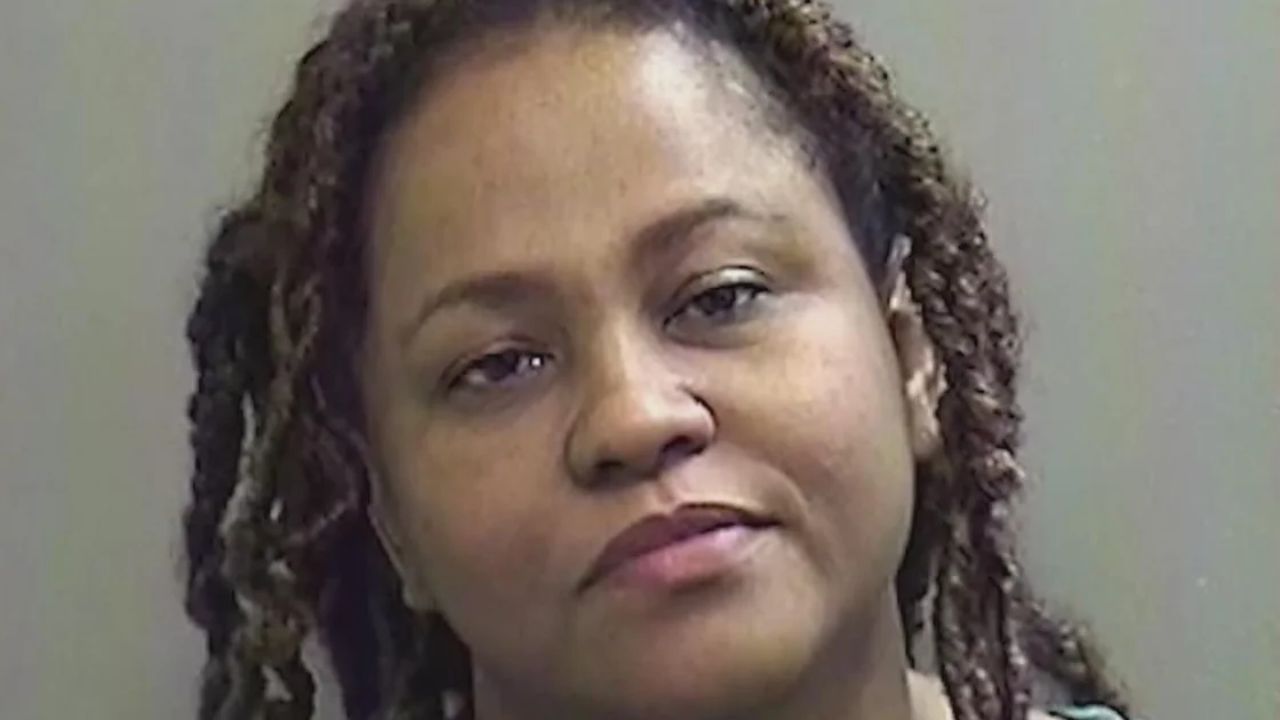
An investigation into an unlicensed care business in Arlington, Texas, has taken a significant turn after its operator, Regla “Su” Becquer, pleaded guilty to criminally negligent homicide, according to court documents dated October 13, 2026.
Becquer operated Love & Caring for People LLC, a company that provided housing and personal care for adults who needed daily assistance. The business ran five community living homes across Tarrant County, but investigators later uncovered serious concerns about the treatment of residents and the company’s operations.
Authorities identified at least 20 former clients who died after staying in homes connected to Becquer since September 2022. Investigators have said the number of deaths could be higher, although not every death has been established as the result of criminal conduct. The case has raised serious questions about the safety of vulnerable adults living in facilities operating without the required oversight.
Investigation Uncovered Concerns About Resident Care
Arlington police spent months examining allegations involving the homes, including suspected abuse, neglect, theft and fraud. The company advertised supervised personal care for adults who required assistance, but investigators reported finding evidence that residents may not have received appropriate care.
The investigation also raised concerns about residents’ personal property and finances. Authorities reported evidence suggesting that Becquer had taken possession of clients’ phones, vehicles and even homes.
These allegations added another dimension to the case, extending beyond questions about residents’ physical well-being to concerns about their financial security and personal rights.
Death of Steven Pankratz Became a Key Part of the Case
One of the most significant cases involved Steven “Kelly” Pankratz, a 60-year-old man who died in January 2024.
An autopsy determined that Pankratz died from mixed drug toxicity. Investigators identified multiple medications in his system, including drugs that authorities said had not been prescribed to him. The medical examiner classified his death as a homicide, leading to a murder charge against Becquer in June 2024.
His death became a central focus of the broader investigation into the care homes.
However, determining what happened to the other residents has proved more difficult. Police said most of the 20 people identified in the investigation had already been cremated or buried, while only two deaths had undergone autopsies. That limited the evidence available to investigators seeking to establish the circumstances surrounding each death.
Why the Investigation Has Been Challenging
The case highlights the difficulties authorities can face when investigating deaths connected to care facilities after significant time has passed.
Without an autopsy or sufficient medical records, investigators may struggle to determine whether a death resulted from natural causes, inadequate care, medication exposure or another factor. Each case requires its own evidence, and the overall number of deaths does not automatically establish that they were all criminally caused.
Regulatory oversight is another important issue in cases involving residential care for vulnerable adults. Licensing requirements and inspections are intended to help ensure that facilities meet applicable standards and that residents receive appropriate supervision and assistance.
The allegations surrounding Becquer’s business have brought renewed attention to the importance of verifying a care provider’s credentials, checking the conditions of residential facilities and ensuring that residents can maintain contact with family members and access medical services.
What Happens Next?
Becquer’s guilty plea to criminally negligent homicide marks a major development in a case that has drawn attention because of the number of deaths under investigation and the allegations surrounding the care provided to residents.
The plea is a specific legal outcome and should not be interpreted as proof that every death associated with the homes resulted from criminal wrongdoing. Authorities had previously indicated that they were examining the circumstances of multiple deaths, with the available evidence varying from case to case.
The case also underscores the importance of protecting adults who depend on residential care providers. Families seeking housing for loved ones may need to verify licensing and registration, ask about medication management and medical supervision, and look for clear procedures for reporting concerns.
As the legal proceedings move forward, the case remains a sobering reminder of the risks vulnerable adults can face when the people responsible for their care fail to meet their obligations.
