

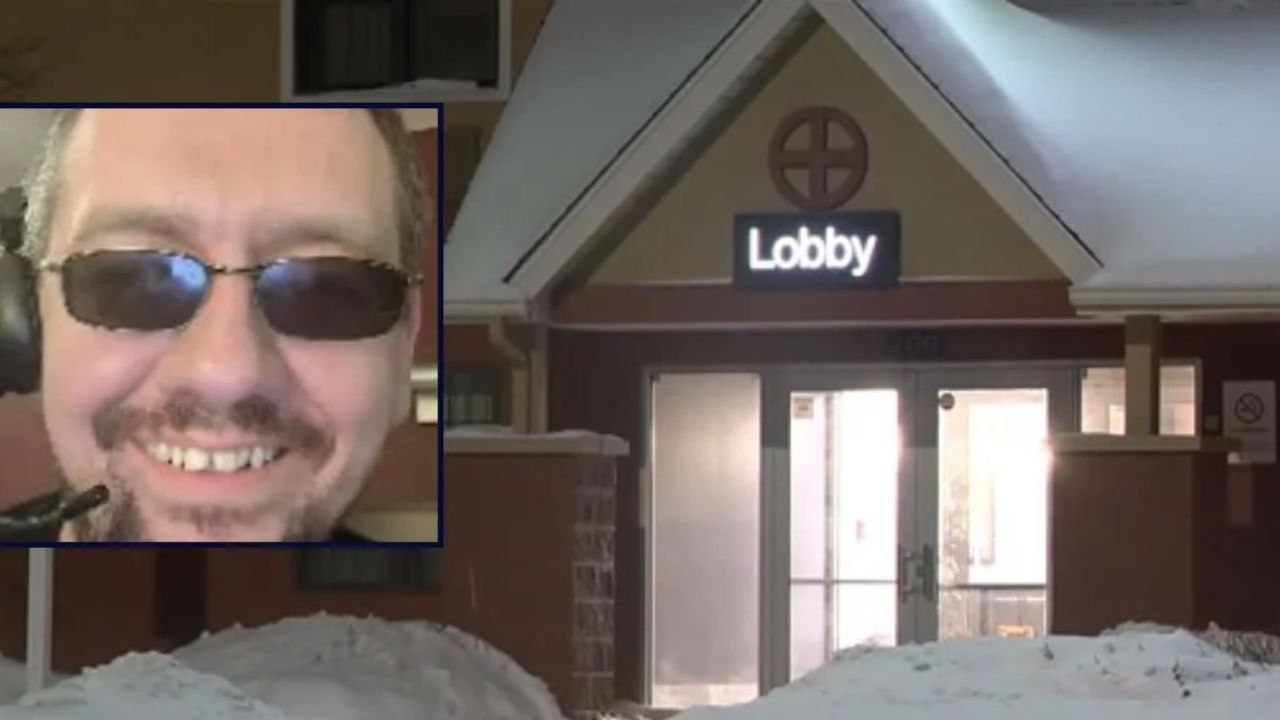
A simple act of kindness turned into a heartbreaking tragedy in upstate New York after a truck driver who helped a homeless veteran was killed weeks after offering him food, shelter and support.
Daniel Fiero, 40, had encountered Richard Leo, 37, walking along a snowy roadside during the winter. Rather than passing by, Fiero stopped to help, offering him a ride after learning that Leo was a homeless veteran.
What began as a brief encounter soon became an ongoing effort to help someone get back on his feet. Over the following month, Fiero arranged accommodation for Leo and purchased food for him, giving him a place to stay and help with his immediate needs.
But on January 31, that act of generosity ended in violence.
Deputies were called to an extended-stay hotel in Henrietta, near Rochester, shortly before 3 p.m. When they arrived, they found Leo outside a hotel room with blood on him. Inside, they discovered Fiero with multiple stab wounds to his head and face.
The investigation led to Leo, who later pleaded guilty to second-degree murder in connection with Fiero’s death. Prosecutors said the killing happened out of anger, although authorities have not publicly detailed a specific motive.
The case has also drawn attention to the devastating impact on Fiero’s family, who described him as someone who naturally looked for ways to help others. He was particularly devoted to caring for his sister, who has special needs.
For his loved ones, the loss has been made even more painful by the circumstances surrounding his death. Their grief is accompanied by anger over the fact that a person who offered help to someone in a vulnerable situation never made it home.
Monroe County District Attorney Brian Green said Fiero’s compassion and generosity were met with senseless violence. Assistant District Attorney Patrick Gallagher, who prosecuted the case, also praised Fiero for helping a stranger without hesitation.
The family has characterized the killing as a possible homophobic hate crime in a fundraising appeal. However, authorities have not publicly established that classification as the motive for the attack, and the case should not be described as a confirmed hate crime without further official findings.
Leo is scheduled to be sentenced on November 16. The sentencing will be the next major step in the criminal case as Fiero’s family continues to cope with a loss that has deeply affected them.
Fiero’s story has left behind a painful contrast: a man who saw someone struggling in the cold and chose to help, and a tragedy that cut short his life. For his family, friends and those who hear what happened, his generosity remains an important part of how he will be remembered.
