

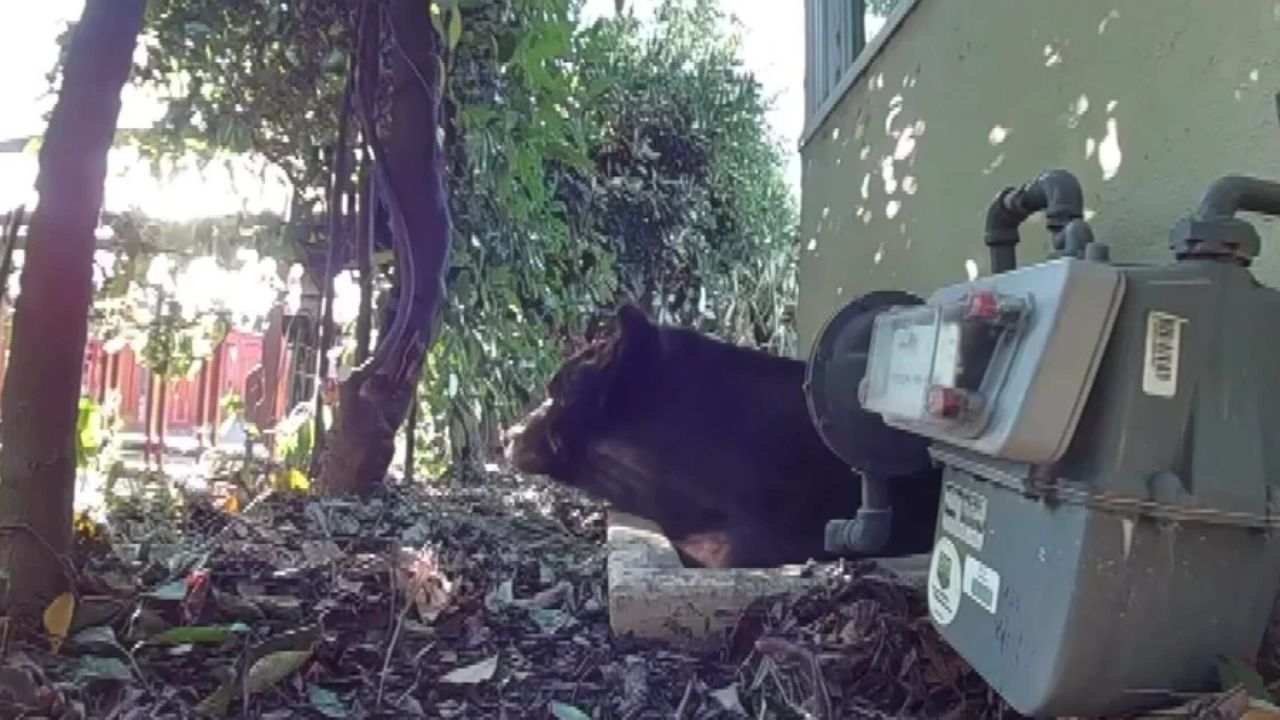
When a bear finds its way beneath a house or into a residential property, homeowners can quickly find themselves facing a problem they are not equipped to handle. Wildlife biologist Jessica West is hoping to change that with a new business designed to help people protect their homes while keeping bears safe.
West recently launched Wild Neighbor, a service focused on preventing bears from entering homes and returning to properties where they have already caused trouble.
After spending five years working with the California Department of Fish and Wildlife, West saw how difficult it could be for homeowners to get the help they needed. Limited resources and budget constraints meant that wildlife agencies could not always provide the hands-on assistance residents were looking for.
Rather than leave homeowners to figure things out on their own, West decided to put her experience to work in a different way.
Her approach focuses on identifying how bears enter properties, discouraging them from returning and helping residents make their homes less inviting to wildlife.
A bear beneath an Altadena home created an urgent problem
One of West’s recent projects involved a home in Altadena that was undergoing repairs following the Eaton Fire.
The homeowner contacted West because she was worried a bear might be living underneath the house. With repairs underway and uncertainty about what was happening beneath the structure, she needed help determining whether the animal was still there and how to prevent another encounter.
“The homeowner was kind of at a loss,” West said, describing the resident’s concern about a possible bear inside her home.
West went beneath the house to help establish whether the bear had been removed and assess what could be done to prevent it from returning.
The job required more than simply getting the animal out. If the same access point remained available, the bear could potentially come back.
As West explained, bears are powerful animals that can bend barriers and force their way through obstacles when trying to reach a place they want to enter.
“The thing about bears, they’re not the most graceful animals,” she said. “If something is in their way, they pummel right through or in this case they bend it out of their way.”
That ability makes it important to identify vulnerable areas around a home instead of relying on barriers that may not withstand an animal’s strength.
How Wild Neighbor plans to keep bears away
West’s business uses several methods to discourage bears from returning to residential properties.
At the Altadena home, she installed an electrified deterrent mat designed to deliver a brief, nonlethal shock when a bear comes into contact with it.
West described it as an “unwelcome mat” intended to make the area less appealing without causing lasting harm to the animal.
“For a bear, to have this little zap on their paw or on their nose or their tongue, there’s nothing like that out in nature,” she said.
The business also uses surveillance equipment, lighting and sounds to discourage bears from approaching or settling around homes.
These measures are intended to make residential properties less attractive to wildlife, although the best solution can depend on how a bear is getting onto a property and what is drawing it there.
A camera, for example, can help homeowners understand when an animal is visiting and identify potential entry points. Physical barriers and other deterrents may then be selected based on the specific problem.
The goal is to reduce repeat encounters rather than simply respond after a bear has already entered a home.
Why bears keep coming back to neighborhoods
Bear encounters in residential areas are not always random. Food and other attractive smells can encourage bears to investigate homes, yards and garbage containers.
California wildlife officials warn that bears can become accustomed to human environments when they repeatedly find easy access to food. Once that behavior develops, an animal may return to the same neighborhood or property in search of another meal.
Everyday items can contribute to the problem, including unsecured trash, fallen fruit, pet food and residue left on outdoor grills.
Homeowners can reduce some of these risks by taking a few practical precautions:
- Store garbage, recycling and compost in bear-resistant containers.
- Keep pet food indoors and avoid leaving food bowls outside.
- Pick up fallen fruit and secure other food sources around the yard.
- Clean outdoor grills after use and store them securely.
- Keep doors and windows closed when they are not being used.
- Inspect the property for openings or damaged barriers that could provide access beneath a home.
These steps can make a difference because they address one of the main reasons bears return: the possibility of finding food.
They may not solve every situation, particularly when a bear has already entered a structure, but removing attractants can help prevent future visits.
Finding a balance between people and wildlife
For West, the need for services like Wild Neighbor reflects a broader challenge in communities where people and wildlife increasingly share space.
Residents want to feel safe in their homes, while bears need opportunities to live without becoming dependent on human food or repeatedly entering residential areas.
When those encounters become frequent, the consequences can extend beyond damaged property. Bears that lose their fear of people or become accustomed to finding food around homes can create greater risks for themselves and nearby residents.
That is why prevention matters. Keeping bears away from food and securing access points can help reduce the likelihood of dangerous interactions before they escalate.
West believes the demand for practical solutions will continue as people and bears remain neighbors in California communities.
“I saw this need. I saw that human-bear conflict is not going away,” she said. “Bears are here. They’re here to stay. Humans are here. We’re here to stay. So, what can we do to try to prevent these conflicts?”
Her answer is to help homeowners understand the problem, strengthen vulnerable areas and use deterrents that discourage bears from returning.
A new resource for homeowners
Wild Neighbor represents a new direction for West after years of working in wildlife management. Instead of relying solely on public agencies to respond when conflicts occur, she is offering homeowners a service focused on preventing those situations from happening again.
Her work also highlights an important point for residents: bear-proofing is not just about installing a single device or blocking one opening. Effective prevention often requires understanding what attracted the animal, how it gained access and what changes could reduce the chances of another visit.
When a bear is suspected of being inside or beneath a home, residents should avoid approaching or attempting to handle the animal themselves. They can contact local wildlife authorities or qualified wildlife professionals for guidance on safely addressing the situation.
West hopes Wild Neighbor can become a reliable resource for communities dealing with these difficult encounters.
“I’m really just trying to be a resource for the communities,” she said.
For homeowners worried about an unexpected visitor beneath their floors or in their backyard, her business offers a prevention-focused approach aimed at protecting both the people who live there and the wildlife moving through their neighborhoods.
