

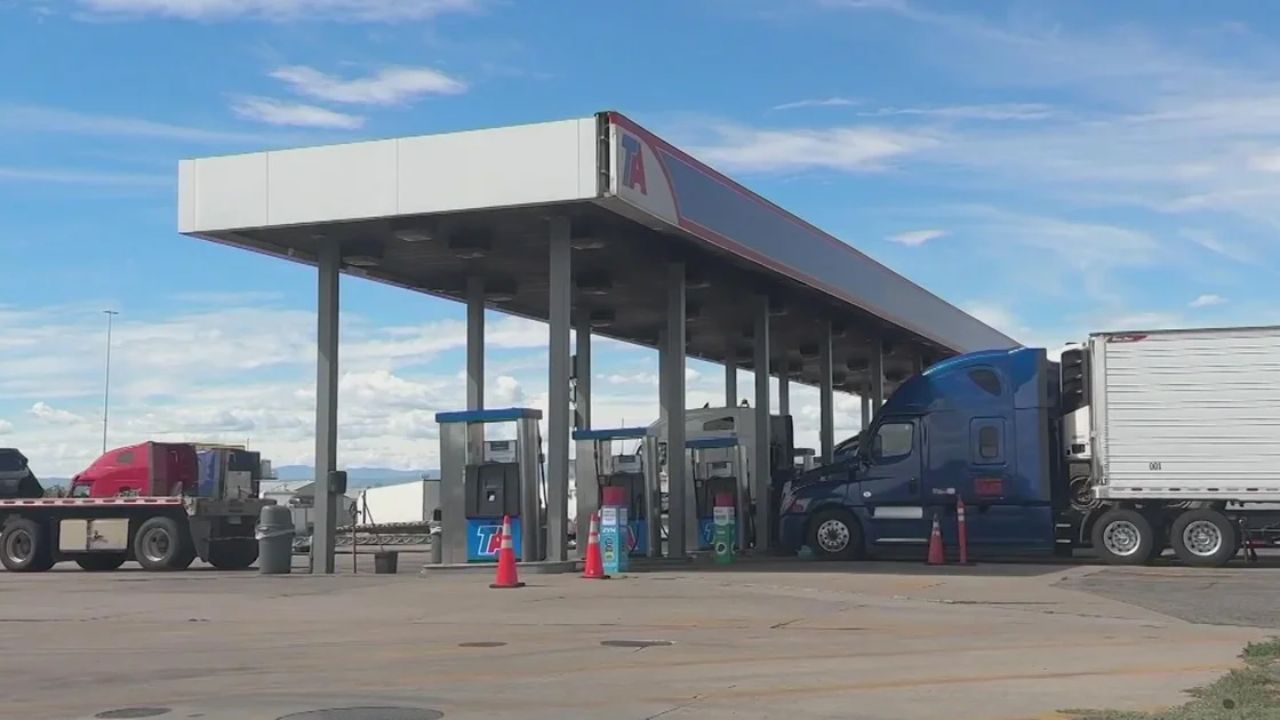
Colorado businesses that depend on diesel are facing another sharp increase in operating costs as fuel prices continue to climb, putting additional pressure on trucking companies and organizations that move food across the state.
The average price of diesel in Colorado reached about $6.12 per gallon on September 18, according to AAA data. That was the highest average diesel price recorded in the state, with the price also significantly above the level seen a year earlier.
For trucking companies, the increase can quickly turn into thousands of dollars in additional expenses.
Greg Fulton, president of the Colorado Motor Carriers Association, said a truck that once required roughly $1,800 to fill with 300 gallons of diesel could now cost more than $3,000. The increase comes as trucking businesses are also dealing with higher insurance costs and weaker freight demand.
Smaller trucking companies face difficult choices
Fuel is only one part of the financial pressure facing Colorado carriers.
Fulton said smaller trucking companies can be particularly vulnerable because they have less room to absorb sudden increases in operating expenses. Some midsized carriers have also faced serious financial strain, he said.
Larger carriers may have more ability to absorb higher fuel costs temporarily and recover some of that expense through fuel surcharges. But those additional transportation costs can eventually move through the supply chain.
That can affect more than the trucking industry. When shipping becomes more expensive, businesses that rely on deliveries may face higher costs for moving products, which can eventually put pressure on prices paid by consumers.
Colorado’s trucking industry has already been dealing with a prolonged slowdown in freight activity. Earlier this year, Fulton said the industry was in its third year of a freight recession, with tariffs contributing to weaker demand for shipping.
Food distribution is feeling the impact, too
The higher cost of moving goods is also a concern for organizations responsible for getting food to communities across Colorado and Wyoming.
Food Bank of the Rockies has recently highlighted the effect that higher diesel and freight expenses are having on its operations. The organization said rising diesel and freight costs are adding about $50,000 a month to its expenses. It is facing those higher costs at the same time that more families are seeking help as food and other household expenses remain elevated.
The organization operates a large distribution network that includes mobile pantries and other food-assistance programs. Its current public information says it operates dozens of mobile pantries and serves communities across Colorado and Wyoming.
That means higher transportation costs can have a direct effect on how much it costs to move food from distribution facilities to communities that need it.
Companies are looking for ways to use less fuel
With diesel prices at record levels, trucking companies are looking for ways to reduce consumption without cutting essential service.
Some carriers are improving truck aerodynamics, using speed regulators and encouraging drivers to improve fuel efficiency. Even small improvements in miles per gallon can make a difference when diesel costs more than $6 a gallon.
The pressure is unlikely to be limited to fuel expenses alone. For businesses that depend heavily on transportation, higher fuel prices can affect everything from delivery costs to operating margins.
For consumers, the impact may appear gradually as transportation expenses work their way through the supply chain. Trucking companies still have to keep goods moving, but the cost of doing that has become substantially higher.
With Colorado diesel prices now at a record level, carriers and other organizations that depend on large vehicle fleets are facing a difficult balancing act: keeping services running while finding ways to control costs that are largely outside their control.
