

Commuters traveling through Midtown Manhattan should prepare for longer journeys as construction on the new Port Authority Bus Terminal brings changes to bus routes and traffic patterns. The latest changes begin Thursday, October 15, and could lead to delays, especially during weekday rush hours.
The work is part of an $11 billion project to replace the aging Midtown Bus Terminal, a major transportation hub connecting New York City with New Jersey and other destinations. While the finished facility is intended to improve bus operations and passenger travel, construction is expected to affect nearby streets for years.
For people who rely on buses to get to work, school or appointments, the immediate concern is how the changing routes will affect their daily schedules.
Bus Routes Change as Construction Moves Forward
Starting Thursday, buses entering the terminal from the Lincoln Tunnel and Dyer Avenue will follow a revised route before reaching the terminal’s ramp system.
Instead of following the existing approach, buses will use a temporary ramp to exit onto West 39th Street, continue west and reenter the terminal ramp system near West 39th Street and 10th Avenue.
The dedicated bus lane through the Lincoln Tunnel will remain unaffected by this particular change. However, buses could still experience delays after entering Manhattan, particularly when traffic is heavy.
Transportation officials are advising passengers to allow extra time for their journeys and check with their bus companies for the latest service information.
The changes will also affect general traffic on West 39th Street. Most regular vehicles will be restricted from the affected section between Ninth and 10th avenues, although local vehicles serving businesses in the area will be permitted.
Traffic lanes near 10th Avenue will be rearranged to help buses enter the terminal ramps. Pedestrians and cyclists will continue to have access to West 39th Street, but their routes will be shifted to accommodate the new traffic layout.
Why Midtown Drivers Could Feel the Impact
The construction is not limited to the bus terminal itself. Nearby streets already handle a mix of buses, taxis, delivery vehicles, commuters and local traffic, making temporary changes particularly challenging.
With buses redirected through West 39th Street and surrounding roads, drivers may encounter slower traffic or need to adjust their usual routes. Streets near Ninth and 10th avenues could see additional pressure as the new traffic pattern takes effect.
The Port Authority is coordinating with the New York City Department of Transportation on the changes, with the aim of keeping traffic moving while construction continues.
Drivers who regularly pass through the area may want to leave additional time during peak periods and watch for temporary signs and traffic directions. Bus passengers should also check for updates before leaving, especially if they have a tight connection or a fixed arrival time.
The exact level of disruption will depend on traffic conditions and how vehicles adjust to the revised routes.
A Major Overhaul of a Busy Transportation Hub
The existing Port Authority Bus Terminal has served the region for more than 75 years. Over time, the facility has become increasingly difficult to adapt to modern transportation needs, with growing demands on its space and infrastructure.
The Port Authority describes it as the world’s busiest bus terminal. On a busy weekday, more than 7,200 buses pass through the facility, supporting an estimated 260,000 passenger trips.
That volume makes the terminal an essential part of daily life for commuters traveling between New Jersey and Manhattan. It also means construction must be carefully staged so bus services can continue while existing ramps and other infrastructure are replaced.
The new terminal project is designed to expand capacity, modernize passenger facilities and improve connections to the Lincoln Tunnel.
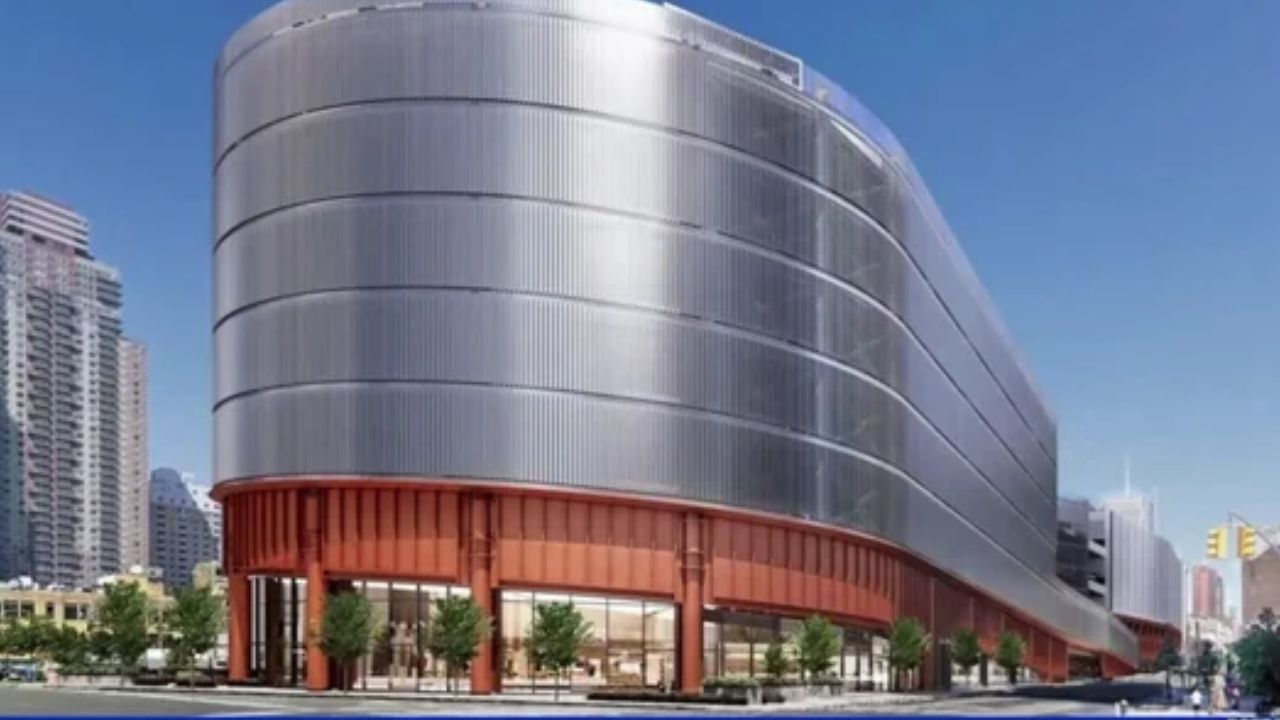
Plans include new ramps and a separate bus storage and staging facility, where buses can wait between trips instead of circulating or idling on nearby streets. These changes are intended to reduce bottlenecks and help buses move more efficiently.
The broader redevelopment is also expected to provide improved subway connections, updated passenger amenities, retail and dining options, and new public space.
What the $11 Billion Project Will Deliver
The replacement is being carried out in two main phases, allowing essential construction to advance before the new main terminal is completed.
The first phase includes a deck over Dyer Avenue, a bus storage and staging facility, and new ramp infrastructure. Existing ramps occupy areas needed for the new facilities, so some must be removed as work progresses.
This phase is expected to be completed by the end of 2030.
The second phase will deliver the new main terminal on Eighth Avenue, with the entire project targeted for completion in 2035.
Once finished, the new facility is intended to provide more room for bus operations and improve access between the terminal and the Lincoln Tunnel. The staging facility should also help reduce the need for buses to wait on surrounding streets.
The project is expected to reshape part of Midtown’s transportation infrastructure, although commuters will have to navigate temporary arrangements while the work continues.
Improvements May Take Time to Reach Commuters
The long-term goal is to make bus travel through Midtown more reliable, but the construction period presents a different reality for people who use the terminal every day.
Temporary ramps, changing traffic lanes and restrictions on nearby streets can make familiar journeys less predictable. Even commuters whose buses use the same tunnel lane may encounter delays once they reach Manhattan.
The work also highlights the challenge of upgrading a major transportation facility while keeping it operational. Closing large sections of the terminal for an extended period would create significant difficulties for the thousands of buses and passengers who depend on it.
By completing the project in stages, officials aim to keep services running while building the infrastructure needed for future demand.
For now, passengers and drivers should expect adjustments as construction advances. Checking travel updates, allowing extra time and staying alert to temporary street changes can help reduce the risk of missing connections or arriving late.
A Long Road to a New Midtown Terminal
The Port Authority Bus Terminal replacement is intended to address longstanding infrastructure problems and prepare the region for future commuting needs. Expanded bus capacity, improved ramps and dedicated staging areas are central to that plan.
But with the first phase not expected to finish until 2030 and the full terminal scheduled for completion in 2035, the changes will not happen overnight.
For Midtown commuters, the coming years may bring a mix of temporary traffic challenges and gradual improvements as construction progresses. The ultimate test will be whether the new facility delivers smoother bus operations and more dependable journeys without leaving surrounding streets overwhelmed during the transition.
