

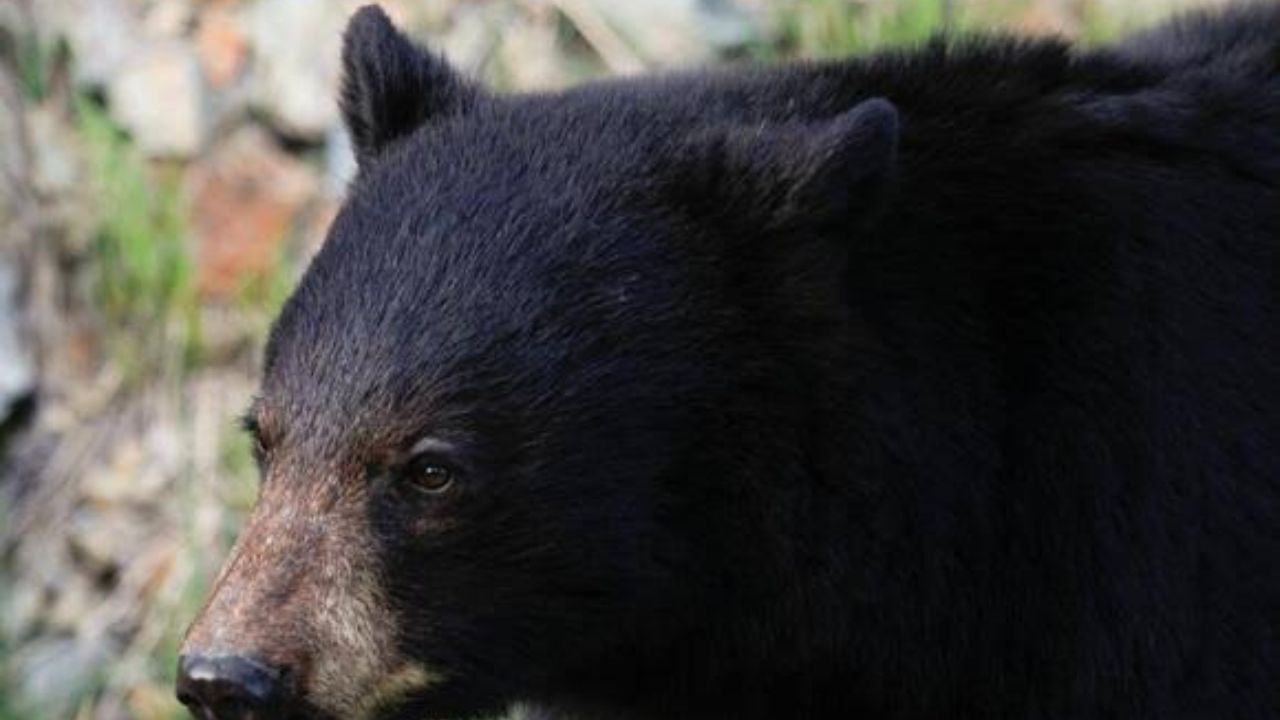
Black bears now number more than 4,500 statewide, with Worcester County, northern Middlesex County and the Berkshires among the areas where they are well established.
Massachusetts may be known for its history, coastal towns and busy communities, but much of the state is also home to a growing black bear population.
According to the Massachusetts Division of Fisheries and Wildlife, the state’s black bear population is now estimated at more than 4,500 animals. Their range has also continued to expand eastward, with established populations in Worcester County, northern Middlesex County and western Massachusetts, including the Berkshires.
That expansion means seeing a black bear is no longer unusual in many parts of Massachusetts. MassWildlife says bears are increasingly using areas where people live, particularly when they can find easy sources of food such as bird seed, unsecured trash and pet food.
For people living in the Berkshires and other parts of western and central Massachusetts, bear sightings can be a fairly familiar experience. Bears may occasionally pass through yards, cross roads or move through residential neighborhoods while looking for food.
Why Bears Are Showing Up Around Homes
Black bears have an excellent sense of smell, and a residential yard can offer an easy meal.
Bird feeders are one of the biggest attractants. MassWildlife now recommends removing bird feeders year-round because bears can visit them at any time of day or season. Fallen seed can also attract bears and other wildlife.
Garbage and other food sources can create the same problem.
MassWildlife recommends keeping garbage in closed containers inside a garage or outbuilding and putting it out for collection on the morning of pickup. Residents are also advised to secure compost, clean outdoor grills after use and remove food scraps or grease from yards and outdoor areas.
Once a bear learns that a particular property regularly provides food, it may return.
What Massachusetts Residents Can Do
There are several simple steps homeowners can take to make their properties less attractive to bears.
Removing bird feeders is one of the most important. Residents who want to attract songbirds can instead use native plants, shrubs and trees or provide fresh water.
Trash and compost should also be secured. Outdoor pet food should not be left unattended, and residents with chickens, beehives or other small livestock should use properly installed and maintained electric fencing because ordinary chicken wire and standard coops may not be enough to keep bears out.
Pets need attention, too. MassWildlife advises checking the yard for bears before letting a dog outside, keeping dogs leashed and never allowing them to chase or interact with a bear. The presence of a dog can cause a bear to become aggressive.
What To Do If You See a Bear
If a bear is in your yard, the safest approach is to give it space and allow it to leave. Once the bear is gone, remove or secure whatever food source may have attracted it.
If you encounter a bear while hiking or outdoors, MassWildlife recommends staying calm, speaking in a calm voice and slowly backing away. Do not approach the animal, and never put yourself between a mother bear and her cubs. Do not run.
If a bear approaches or follows you, MassWildlife recommends making yourself look bigger, continuing to speak calmly and backing away while leaving the area.
The bigger picture is that Massachusetts’ bear population and range have changed considerably over the past several decades. The state population was estimated at fewer than 100 bears in the mid-1970s; today, MassWildlife estimates there are more than 4,500.
For residents in western and central Massachusetts, learning how to live around bears is increasingly becoming part of everyday life. Keeping food and other attractants out of reach is one of the simplest ways to help keep bears wild and reduce the chances of an unwanted encounter.
