

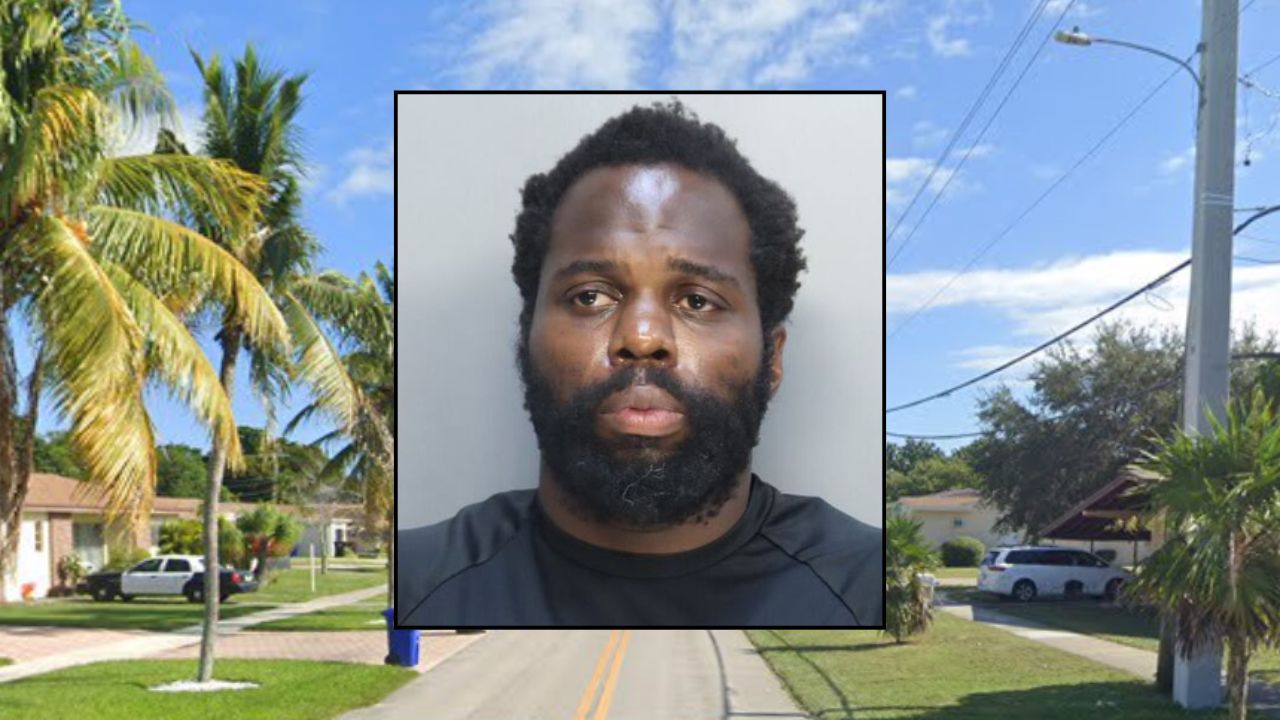
A Florida father is facing felony child neglect charges after authorities alleged that his two young children were left without food for days, confined to their bedrooms and forced to use a bucket as a toilet.
Wendy Louis, 40, was arrested on October 13, 2026, following a welfare check at his home in Miami-Dade County. According to investigators, the children had contacted relatives and described conditions that prompted concerns about their safety and well-being.
The allegations outlined in court documents paint a troubling picture of the children’s daily lives. Deputies said the children reported being kept inside their rooms for extended periods, receiving little or no food and being allowed to drink water only from the shower on occasion.
Louis was charged with two counts of felony child neglect without great bodily harm, according to court records. The allegations have not been proven in court.
Relatives Raised the Alarm About the Children’s Welfare
Deputies with the Miami-Dade Sheriff’s Office arrived at a residence in the 1000 block of Northeast 175th Street in Miami at approximately 7 a.m. on October 13 to conduct a welfare check.
The response followed reports that the children had reached out to family members and described their living conditions.
According to the probable cause affidavit, the children told relatives that their father sometimes went days without feeding them. They allegedly said they were kept in their bedrooms and were not permitted to use a regular bathroom.
Investigators documented the children’s accounts as part of the initial inquiry. Their statements prompted deputies to examine whether the children were receiving adequate food, supervision and basic care.
During the welfare check, deputies described both children as extremely small and thin for their ages. They also noted that their hair appeared unkempt and matted.
Those observations raised further concerns about the children’s physical condition and whether their basic needs had been met.
Children Allegedly Went Days Without Food
The affidavit states that the children told deputies their father sometimes withheld food because he believed the government was putting something into it.
Authorities also alleged that the children were confined to their rooms for days at a time.
“They further advised they have to use a bucket as their bathroom,” deputies wrote in the affidavit, describing the children’s account of the conditions inside the home.
The children also reportedly said they could drink water from the shower but had limited access to other basic necessities.
Investigators are examining allegations that the father failed to provide the care needed to protect the children’s physical and mental health.
Food deprivation can be especially dangerous for growing children because their bodies need consistent nutrition to support development, maintain energy and protect against illness. Prolonged nutritional deprivation can also affect concentration, emotional well-being and overall growth.
Similarly, extended confinement and inadequate access to sanitation can create additional health and psychological concerns. However, the children’s specific medical conditions and any lasting effects were not detailed in the available court documents.
School Attendance Raises Additional Questions
The investigation also uncovered concerns about the children’s education.
According to the affidavit, the children told deputies they had not attended school since August 2025. They also said their father had not been homeschooling them.
The allegations raise questions about how long the children may have been isolated from normal routines and contact with people outside their household.
Regular school attendance can provide children with more than classroom instruction. Teachers and other school employees may also notice changes in a child’s appearance, behavior or attendance that prompt welfare concerns.
When children are educated at home, applicable state requirements and oversight procedures can vary. In Florida, homeschooling is governed by state law and generally involves requirements for parents who establish a home education program.
The available allegations do not establish whether authorities had received earlier reports about the children or whether any previous welfare investigations had taken place.
Investigators will need to establish the timeline of events and determine what happened before deputies arrived at the residence.
Father Arrested in North Miami
Louis was arrested at approximately 4 p.m. on October 13 in the 13000 block of Biscayne Boulevard in North Miami, according to the probable cause affidavit.
He was subsequently transported to the Turner Guilford Knight Correctional Center.
Court records listed his bond as yet to be set as of the morning of October 15. The available information did not specify when he was scheduled to appear in court.
Authorities said Louis declined to be interviewed by investigators.
He faces two felony counts of child neglect without great bodily harm, one for each child. The charges concern allegations that he failed to provide the care necessary to protect their well-being.
A criminal charge is an allegation, not a finding of guilt. The case will proceed through the legal system, where prosecutors must establish the charges with evidence.
What Happens After a Child Welfare Report?
Cases involving suspected child neglect can require coordination among law enforcement, child protection authorities and medical professionals.
When officials receive a report that children may be deprived of food, confined or living in unsafe conditions, investigators may assess their immediate safety and determine whether medical examinations or protective arrangements are necessary.
Florida’s child welfare system investigates reports of suspected abuse and neglect and may work with law enforcement when criminal conduct is suspected. The appropriate response depends on the circumstances of the case and the children’s immediate needs.
Medical professionals can help assess whether a child has experienced malnutrition, dehydration or other health problems. Investigators may also gather statements, review available records and establish how long the alleged conditions continued.
The publicly available information in Louis’ case does not establish what long-term care arrangements have been made for the children or whether additional charges could follow.
For now, the central questions concern the children’s health, how long they may have been living under the alleged conditions and whether there were earlier opportunities to identify the situation.
The investigation remains focused on allegations that two young children were denied basic necessities and kept isolated inside their home. Further court proceedings are expected to provide more information about the case.
