

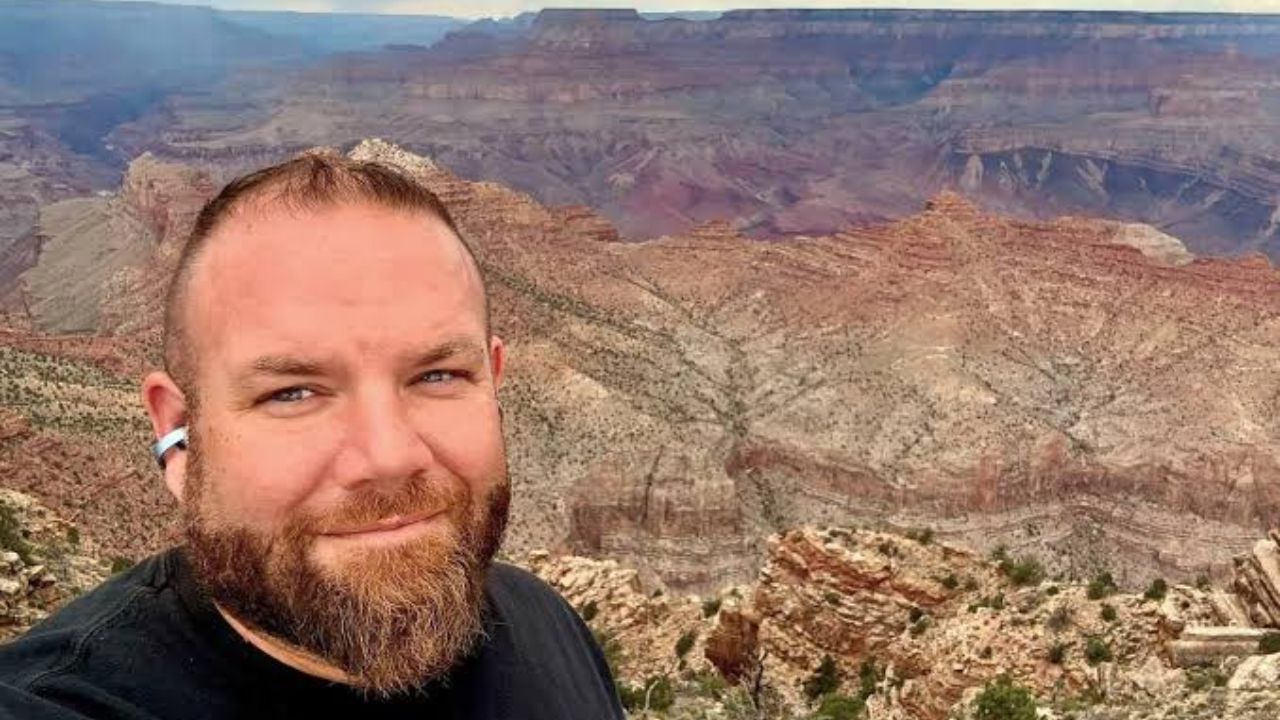
The search for the last person missing after a deadly flash flood in Grand Canyon National Park has ended with the recovery and identification of his remains.
Timothy Allen Smith, a 53-year-old pilot from western Wyoming, was identified after his remains were found Monday near Crystal Rapids along the Colorado River. His death brings the confirmed toll from the Aug. 29 flooding to three.
Smith had been on a multiday hiking, fishing and camping trip with Brent Rosenkranz, 42, and John Giusti, 46, both of Granbury, Texas. The three men were caught in the flooding that swept through Bright Angel Canyon and the Phantom Ranch area.
Rosenkranz and Giusti were recovered and identified earlier in the search. Smith was the final member of the group still unaccounted for.
The Coconino County Medical Examiner confirmed Smith’s identity. His wife, Carrie Smith, later shared the news with family, friends and supporters, saying the family had spent weeks waiting and hoping he would return home.
The search that followed the flooding involved park rangers and other rescue personnel working through difficult canyon terrain. More than 80 people were rescued during the broader response, while search teams used specialized equipment and information from the park’s permit system to help account for people who had been in the affected areas.
The Aug. 29 flood struck during Arizona’s summer monsoon season, when heavy rainfall can quickly send large amounts of water through the canyon’s steep drainage areas. The flooding also caused extensive damage to trails, bridges and water infrastructure.
The damage to the Transcanyon Waterline created another major challenge for the park. The system is an important source of water for the South Rim, serving Grand Canyon Village residents as well as the millions of people who visit the park.
Park officials had been working on a temporary water intake at Bright Angel Creek as part of the recovery effort. However, another flash flood moved through Bright Angel Canyon on Sept. 16, damaging that temporary infrastructure while crews were still working to bring it online. No injuries were reported, and personnel had been moved to safer locations after severe weather warnings were issued.
The additional flooding means crews now have to assess the new damage before determining what repairs or modifications are needed and how it could affect the timeline for restoring a reliable water supply.
The park continues to operate under Stage 4 water restrictions. Visitors and residents have been asked to conserve water, while portable water tanks, bottled drinking water, handwashing stations and other temporary facilities are being used to help reduce pressure on the affected system.
Several inner-canyon areas also remain closed because of the damage from the August flooding. Phantom Ranch, Bright Angel Campground and the North Kaibab Trail remain closed, while additional sections of the South Kaibab and Bright Angel trails have also been affected.
There is currently no estimated reopening date for several of the closed areas. Park officials say reopening decisions will depend on conditions on the ground and whether damaged areas can be made safe for visitors.
The recovery is continuing while crews assess infrastructure, remove debris and work on restoring water service. For the families of Smith, Rosenkranz and Giusti, however, the recovery has also brought the difficult final chapter of a search that began with three friends heading into the canyon for a trip they had planned together.
Smith’s family said he was doing something he loved when the tragedy occurred, and they have continued to remember all three men and the impact they had on those around them.
