

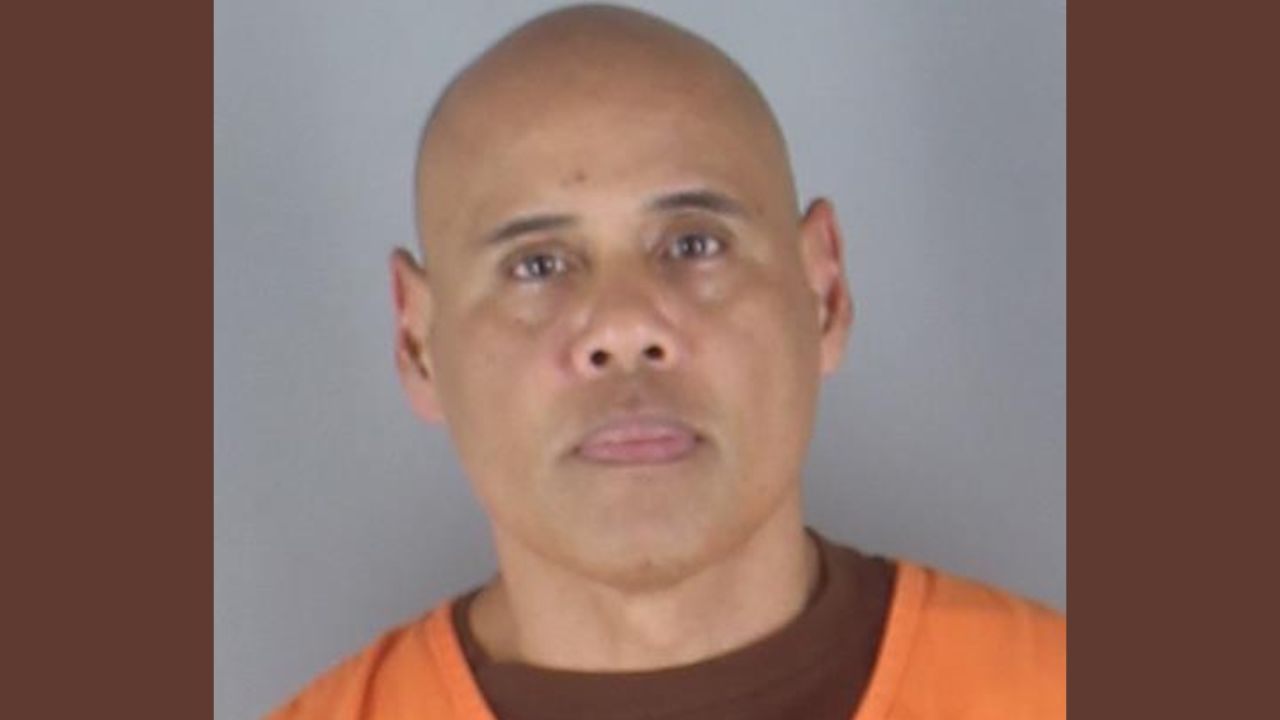
Christian Castro, the Immigration and Customs Enforcement agent accused of shooting a Venezuelan immigrant in north Minneapolis and later allegedly giving investigators a false account of the incident, made his first appearance in Hennepin County District Court Thursday.
The 52-year-old federal agent faces four counts of second-degree assault and one count of falsely reporting a crime in Minnesota. A judge set his bail at $250,000 and ordered him to remain on electronic home monitoring. Castro was also prohibited from contacting witnesses in the case, including fellow ICE employees. He was released from custody Thursday evening.
The court appearance marked a significant step in the state case, which had been delayed for months while Minnesota officials sought to bring Castro back from Texas.
Castro arrested in Minneapolis after returning from Texas
Minnesota Bureau of Criminal Apprehension agents arrested Castro Wednesday afternoon near Second Avenue South and Third Street in downtown Minneapolis. He had driven back to Minnesota ahead of a scheduled federal court appearance and was expected, according to his defense team, to surrender through an arrangement involving his attorneys.
Instead, BCA agents took him into custody on an active Hennepin County warrant.
Castro’s attorney has said his client was willing to surrender and had traveled from Texas to Minnesota with his wife. State authorities said they had been working on a surrender arrangement but arrested Castro when they encountered him in downtown Minneapolis.
The arrest came shortly after a prolonged legal dispute over Minnesota’s effort to obtain custody of Castro from Texas.
Case stems from January shooting
The state charges are connected to a Jan. 14 shooting involving Julio Sosa-Celis, a Venezuelan immigrant who was living in a north Minneapolis duplex.
According to the federal indictment, Castro was pursuing a vehicle driven by Sosa-Celis’ roommate, Alfredo Aljorna. The pursuit ended near the duplex, where an encounter took place outside the home.
Authorities allege that Castro later fired a shot through the closed door of the residence, striking Sosa-Celis in the leg. The indictment states that other people were inside the home at the time, including children.
The circumstances surrounding the shooting became the subject of additional scrutiny after surveillance video contradicted portions of Castro’s account.
Federal prosecutors had initially charged Sosa-Celis and Aljorna with assaulting a federal agent based on Castro’s account of the encounter. Those charges were later dismissed after surveillance footage showed that the events did not match the description provided by Castro.
Federal case adds separate allegations
Castro is also facing a federal case accusing him of making false statements to investigators.
A federal grand jury indicted him on six counts related to statements he allegedly made to the FBI following the shooting. The indictment says investigators identified multiple statements that were inconsistent with surveillance footage, including Castro’s descriptions of being attacked with a broom and snow shovel and his account of how he fired his weapon.
The indictment also states that Castro joined ICE in September 2025 after spending about eight years as a Border Patrol agent. The Department of Homeland Security has suspended him without pay.
Castro has pleaded not guilty to the federal charges. He previously appeared in federal court in Texas, where a judge ordered his release on a $75,000 unsecured bond and required GPS monitoring and surrender of his passport.
Months-long extradition dispute ends
Before his return to Minnesota, Castro spent about three months in a Texas jail while Minnesota prosecutors sought his extradition.
Texas Gov. Greg Abbott declined to approve Minnesota’s extradition request, and a federal judge in Texas later declined to force the governor to approve the transfer. Castro was released from the Texas jail on Aug. 27.
Minnesota Attorney General Keith Ellison’s office subsequently dropped its lawsuit against Abbott after Castro returned to Minnesota.
The state case can now proceed in Hennepin County, while the separate federal case remains active.
What’s next for Castro
Castro’s Minnesota case will continue under the conditions imposed at Thursday’s hearing, including electronic monitoring and restrictions on contact with witnesses.
He is also scheduled to appear in federal court in Minnesota Friday on the six federal charges involving alleged false statements to investigators.
The state and federal cases concern different charges arising from the same January shooting. Castro has denied the allegations through his defense, and the charges against him remain unresolved in court.
