

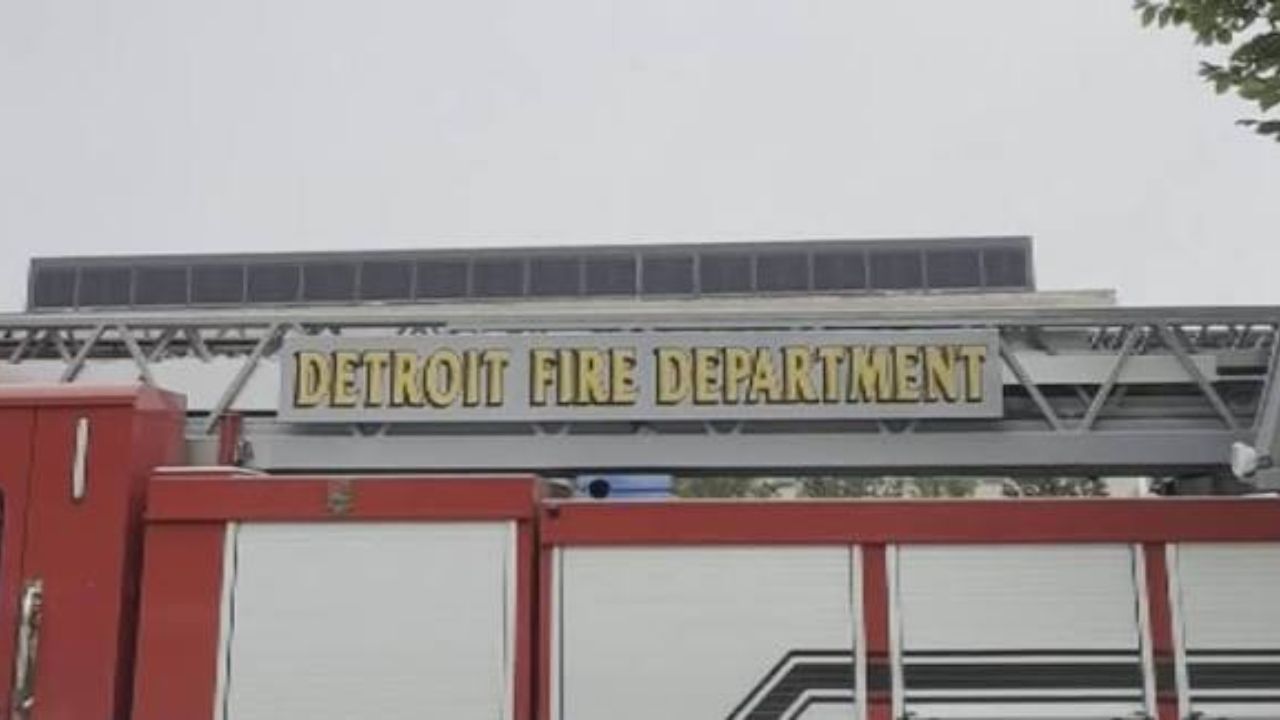
A new Detroit pilot program is testing whether connected traffic signals can give fire and EMS crews a clearer path through busy intersections, potentially shaving valuable seconds off emergency response times.
The 90-day pilot is underway in Detroit’s Corktown and Michigan Central area, where five intersections are being used to test the technology. The project is being led by the City of Detroit’s Office of Mobility Innovation in partnership with the Detroit Fire Department and Miovision, with HAAS Alert’s Safety Cloud platform supporting the connected system.
The system is designed to allow equipped emergency vehicles to communicate with traffic signals as they approach an intersection. When a qualifying vehicle is responding to an emergency, the system can request a green light along its route while holding cross traffic, giving drivers additional time to clear the intersection before the emergency vehicle arrives.
Detroit demonstrated the technology this week using fire department vehicles equipped with the system. The city says the pilot is intended to evaluate whether connected traffic infrastructure can reduce delays at intersections while improving safety for firefighters, EMS crews and other drivers.
How the technology works
Unlike a standard traffic signal that follows a fixed timing plan, the pilot allows the signal to respond to an approaching emergency vehicle.
The vehicle sends a request through the connected system, and an equipped intersection can change its signal sequence to give the emergency vehicle priority. Cross traffic is temporarily stopped, and normal signal operation resumes after the emergency vehicle passes.
The approach is designed to help emergency crews avoid unnecessary stops at red lights while also reducing the chance of drivers entering an intersection as a fire truck or ambulance approaches.
Detroit officials are testing the system in an area that already has connected traffic infrastructure. The city says nearly 600 traffic signals have been deployed with Miovision technology, providing infrastructure that can support connected transportation projects.
Detroit Fire Department Chief David Nelson said even a small reduction in response time can matter during an emergency. The department is using the pilot to look for additional ways to improve response and safety for its crews.
What Detroit will learn from the pilot
The 90-day test is not an immediate citywide rollout. Instead, officials will use the results to determine how well the technology performs under real-world conditions and whether it makes sense to expand it to additional intersections.
The city’s official project description lists several goals, including reducing intersection delays, improving firefighter safety and making emergency response more efficient.
Miovision has said the data collected during the pilot could be used to develop a blueprint for a broader deployment. That means officials will have an opportunity to examine how the signals perform, how traffic responds and whether the technology delivers measurable benefits before making decisions about expansion.
For Detroit drivers, the pilot could also mean seeing traffic signals change slightly earlier than expected when an emergency vehicle is approaching. The goal is to clear the intersection before the vehicle arrives rather than having firefighters wait for a normal signal cycle.
Similar emergency-vehicle signal technology is already being used in other parts of the cou
