

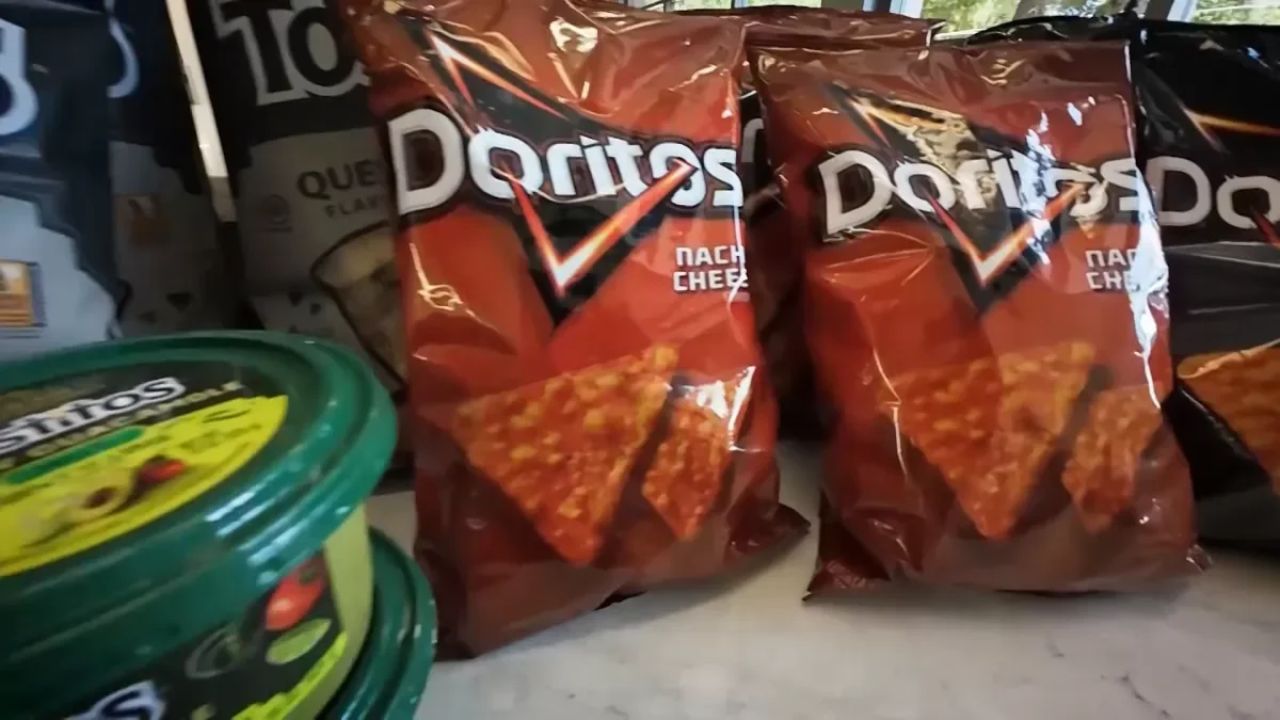
Plano, Texas — Football season brings more than packed stadiums and watch parties. At Frito-Lay’s Plano research and development operation, it also brings a push to turn familiar game-day foods into new snack flavors.
PepsiCo’s Plano headquarters employs about 3,700 people, with much of the work focused on research and development for Frito-Lay products. Inside its test kitchens, chefs and sensory specialists work through different recipes and flavor combinations before a new snack reaches store shelves.
Senior Research Chef Steven Dominguez said the process starts with the basics for corn-based chips: making masa. From there, the team looks at the flavors consumers are likely to want during different seasons.
For football season, spicy, cheesy and smoky barbecue flavors are among the combinations that receive particular attention, especially in Texas.
That thinking is behind new products such as Tostitos Spicy Queso Blanco Flavored Tortilla Chips, which Tostitos launched ahead of the 2026 football season. The limited-time chips combine a queso-inspired flavor with peppers and spices and are designed around the familiar pairing of chips and queso. PepsiCo announced the product in July, with availability beginning Aug. 9.
From a Texas favorite to a chip flavor
Some of the ideas developed in the Plano kitchen begin with foods people already know.
Brisket, for example, has helped inspire the flavor profile used for Doritos BBQ. Rather than simply adding a barbecue seasoning, the development process can involve preparing multiple versions of a dish and adjusting individual flavors before settling on a final recipe.
The feedback can be surprisingly specific. Tasters may prefer garlic to arrive earlier in the flavor experience or want the heat to build later rather than immediately.
Those small differences matter when a full dish has to be translated into a single bite.
Consumer feedback is another part of the process. Dominguez said the company regularly talks with consumers about what they want to eat, using that feedback to guide new product development.
Expert tasters put new chips to the test
Once a flavor has been developed, it goes through sensory testing.
PepsiCo’s sensory teams include trained “expert tasters” who spend at least 100 hours learning how to evaluate the company’s products and distinguish characteristics such as sweetness, sourness, bitterness and umami.
Testing can happen several times a week as products move through development.
The amount of time needed can vary considerably. A new flavor may be relatively quick to develop, while a new chip shape can take years. The company has previously described its research and development operation in Plano as a hub for developing new snack products and testing innovations.
One example of the sensory testing process uses red lighting. The technique was used during development of products in PepsiCo’s Simply NKD line, including versions of Doritos and Cheetos made without added dyes or artificial flavors. Under the altered lighting, tasters can focus on sensory differences without relying on the visual appearance of the chips.
Football season is a major moment for snack makers
The timing of these experiments reflects how important major sporting events are to the snack industry.
SNAC International reported that Americans bought 22 billion pounds of savory snacks during the week leading up to the 2025 Super Bowl. Savory snack sales reached $742 million during that week, accounting for more than half of the $1.3 billion in total snack sales reported for the period.
That demand gives manufacturers a strong reason to experiment with flavors designed for game-day gatherings, tailgates and watch parties.
For consumers, the work inside a test kitchen may eventually show up as a new bag on a grocery-store shelf. For the people developing those products, however, the process can involve months or years of testing, tasting and adjusting before a final version is ready.
And even after a new flavor reaches stores, the testing does not necessarily stop. Consumer reactions can provide another round of feedback, giving the development teams information they can use when working on the next product.
