

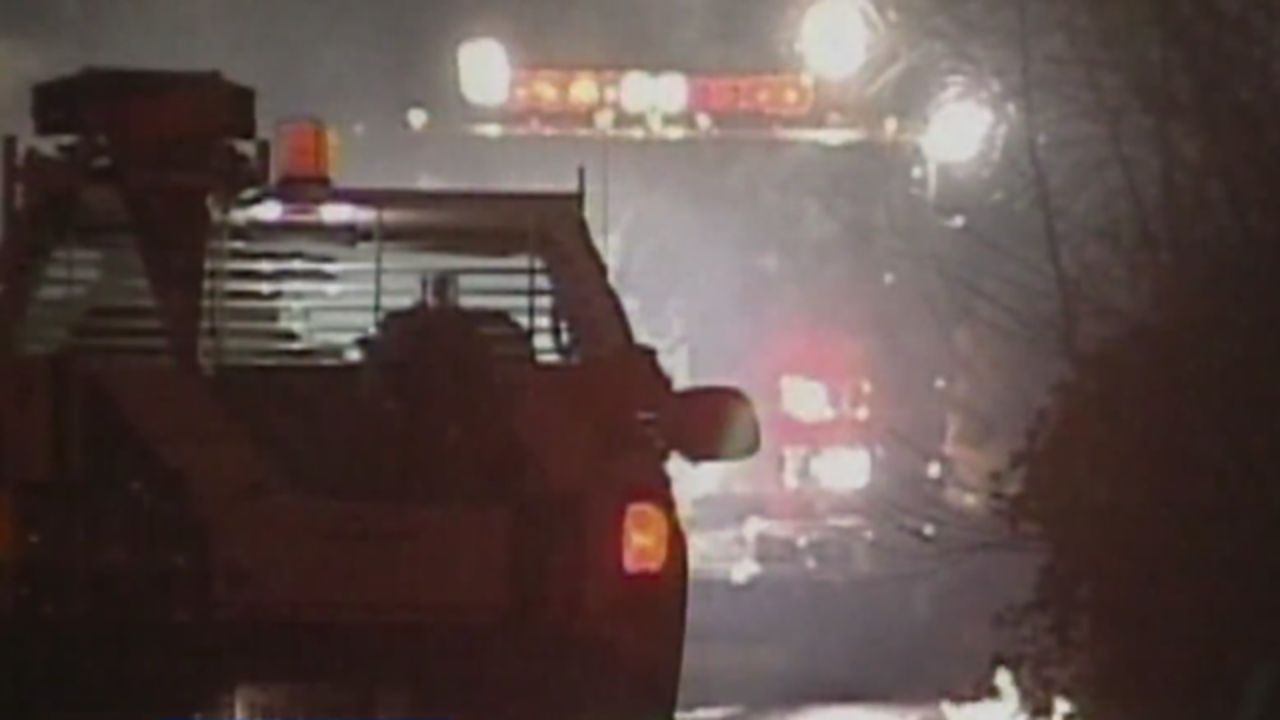
A natural gas pipe that Texas regulators ordered removed more than two decades ago was later found at the center of a Lake Dallas home explosion that left a woman critically injured, raising new questions about how the state tracks dangerous pipeline materials.
The pipe, known as Poly-1, was installed in parts of Texas decades ago. The early-generation plastic material became a concern because it could crack and develop leaks, creating the potential for dangerous gas buildup and explosions.
The issue came back into focus after a March 2026 explosion on Moseley Street in Lake Dallas. The blast severely injured a woman and damaged the home, while nearby residents were forced to evacuate as authorities investigated the cause.
Investigators determined that leaking natural gas was responsible for the explosion and traced the leak to a Poly-1 pipe. That discovery is significant because Texas regulators had already ordered the removal of remaining Poly-1 pipe from a utility system following a deadly explosion years earlier.
A deadly Garland explosion triggered the original order
Texas’ concerns over Poly-1 intensified after a deadly explosion in Garland on Jan. 28, 2000.
The blast destroyed a home and killed three people: 80-year-old Albert Holbert, his wife, Lillian Holbert, and Lillian’s 83-year-old sister, Callie Hickerson.
Investigators linked the explosion to a Poly-1 gas pipe. The material had been used in natural gas systems during the 1970s, but failures involving cracking and leaks had raised serious safety concerns.
Following the Garland explosion, the Texas Railroad Commission ordered TXU Gas to identify and remove the remaining Poly-1 pipe from its system.
The utility missed an initial deadline. Regulators responded with a penalty, additional deadlines and requirements for progress reports.
Even after those deadlines passed, however, the replacement work had not been fully completed. Records reviewed years later continued to reference Poly-1 replacement activity.
TXU eventually sold the system to Atmos Energy in 2004. Atmos said it believed the Poly-1 material had already been removed when it acquired the system. But a 2009 Railroad Commission record still referenced Poly-1 pipe replacement, suggesting that additional sections were being identified and replaced years after the original order.
Lake Dallas explosion brings the issue back
The concerns resurfaced in March when a home in Lake Dallas exploded.
The March 17 blast was powerful enough to send neighbors rushing outside. One neighbor described hearing the explosion and helping locate the injured woman in the wreckage. The woman was critically injured, and surrounding residents faced evacuations and disruptions in the aftermath.
The later identification of a Poly-1 pipe as the source of the gas leak added another layer to the investigation.
The question now is not simply why the pipe failed. It is also how a material that regulators had ordered removed decades earlier remained underground and connected to a residential gas system.
That question is especially important because buried utility infrastructure can remain out of sight for decades, making accurate records and effective replacement programs essential to public safety.
Questions remain about regulatory oversight
The Railroad Commission of Texas is responsible for regulating intrastate pipelines and natural gas utilities, among other areas of energy regulation. Its mission includes protecting community safety while overseeing Texas’ energy infrastructure.
But the Lake Dallas discovery has renewed questions about how regulators verify that utilities actually complete long-term safety orders involving underground infrastructure.
The commission has said it cannot discuss certain details while an investigation is continuing. That leaves some key questions unresolved, including how regulators tracked the original Poly-1 replacement effort and whether additional material remained in the system after the deadlines expired.
The issue also comes as the commission faces broader scrutiny over transparency and public participation.
Railroad Commission changes public participation rules
In August 2026, the Railroad Commission adopted a new public engagement policy that changed how Texans can address the agency during its meetings.
Under the updated policy, the commission no longer automatically places a general public-comment period on every open-meeting agenda. A commissioner can still request that such an item be added.
The agency has instead expanded its listening-session program, giving Texans opportunities to speak with commission staff in person or remotely. The sessions are designed to allow residents to raise concerns and ask questions about matters within the commission’s jurisdiction.
The commission says the new approach expands access by allowing people to participate without traveling to Austin. Commissioner Wayne Christian has also argued that the revised system provides Texans with more opportunities to engage with agency staff and that public input has not been eliminated.
However, the commission’s own FAQ says individual commissioners are not expected to attend the listening sessions, although representatives from their offices are expected to be present.
That distinction is likely to remain part of the broader debate over how directly Texans can question the elected officials responsible for regulating the state’s energy infrastructure.
A decades-old problem with a new test
The Lake Dallas explosion has brought an old regulatory question back into public view: What happens when a safety order is issued, deadlines pass and dangerous infrastructure remains underground?
The answer matters beyond one neighborhood.
Natural gas pipelines are often invisible once they are buried, leaving residents dependent on utilities and regulators to maintain accurate records, identify aging materials and address known hazards.
For Lake Dallas residents, the discovery of Poly-1 after a devastating home explosion has made those questions immediate.
The investigation into the explosion and the remaining history of Poly-1 pipe could determine whether the Lake Dallas incident was an isolated failure or evidence of a larger problem in how Texas tracks aging gas infrastructure.
