

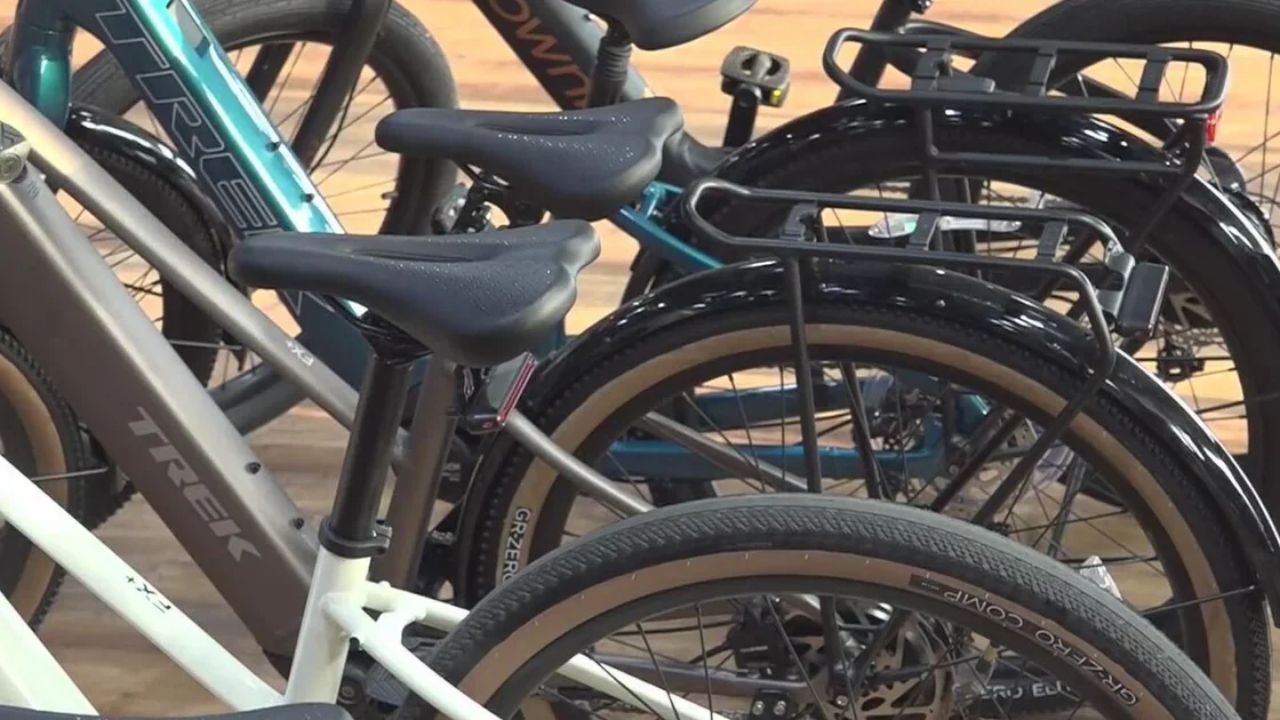
Electric bikes and scooters are becoming increasingly popular across Michigan, offering young riders an easy way to travel around their neighborhoods. But a growing number of serious crashes is prompting police officers, emergency medical professionals and parents to question whether existing safety rules are enough.
Law enforcement agencies and medical officials in Metro Detroit are calling for stronger oversight, warning that powerful electric bikes can put riders and pedestrians at risk when speed, experience and safety precautions do not go hand in hand.
Oakland County Sheriff Michael Bouchard issued a blunt warning about the dangers facing young riders and others who share the road.
“These are a recipe for kids and other people to get extremely injured or killed, period,” Bouchard said.
Officials say their concerns extend beyond reckless riding. They also want parents to understand what they are purchasing, how fast a particular model can travel and whether their children are prepared to handle it safely.
Serious Injuries Are Increasing Across Metro Detroit
Emergency responders say the number of serious incidents involving electric bikes has grown enough to demand greater attention.
Robert Dunne, EMS medical director for Wayne County, reported 21 serious e-bike injury incidents in 2025. By July 2026, that number had already reached 33.
Those figures represent a concerning increase before the summer riding season had even ended.
The risks are not limited to electric bicycles. Electric scooters and other motorized two-wheelers are also drawing attention from first responders, who are encountering injuries ranging from painful road rash and broken bones to potentially life-threatening trauma.
For medical professionals, one major concern is how quickly a seemingly minor fall can turn into a serious emergency. A rider who loses control at speed may have little time to protect their head or avoid striking a curb, vehicle or another person.
Children and teenagers may be particularly vulnerable when they have limited experience judging traffic, controlling speed or reacting to unexpected hazards.
Why E-Bikes Can Be More Dangerous Than They Look
Electric bikes can resemble ordinary bicycles, but their motors allow riders to travel faster with less physical effort. Some models can reach assisted speeds of 20 miles per hour, while certain higher-speed models provide assistance up to 28 miles per hour.
That extra speed can make a difference when a rider approaches an intersection, crosses a driveway or encounters a pedestrian unexpectedly.
Lt. Ty Howard of the Michigan State Police said the combination of speed and a relatively small vehicle can create a dangerous situation for everyone sharing the road.
Drivers may have difficulty spotting an approaching rider, particularly when the e-bike enters their field of vision from the side or moves quickly through an intersection. Riders, meanwhile, may underestimate how much distance they need to stop or avoid a collision.
The concern becomes greater when inexperienced riders weave through traffic, travel on crowded sidewalks or operate vehicles that have been modified to go faster than intended.
Officials are urging families to look beyond a bike’s appearance and advertised features. Understanding its motor power, maximum assisted speed and classification can help parents make more informed decisions before allowing a child to ride.
One Teenager’s Crash Shows How Quickly Things Can Go Wrong
For Casen Kalef, the dangers are not just something he has heard about from authorities. He experienced a frightening crash himself.
Kalef recalled falling from his electric scooter while hurrying to a friend’s house. His mother said he lost control and fell into the roadway.
The fall left him with injuries, including road rash and a broken wrist. His mother believes his helmet and the way he tried to brace himself helped protect him from an even more serious outcome.
The experience changed the way the family viewed electric scooter safety.
“I love having fun, but you have to be safe at the same time,” Kalef said.
He also shared a simple message for other riders: “I just want people to be safe; I don’t want people to crash.”
His experience illustrates why safety advocates emphasize protective equipment and responsible riding, even when a trip is short or takes place close to home.
A helmet cannot prevent every injury, but it can reduce the risk of serious head trauma. Wearing one, slowing down near intersections and avoiding sudden maneuvers can help reduce the chances of a crash.
Michigan’s E-Bike Rules Are Becoming a Bigger Issue
As concerns grow, officials are also examining whether Michigan’s existing laws adequately address the different types of electric bikes being sold and ridden.
Under current Michigan law, e-bikes are generally divided into three classes:
- Class 1: Pedal-assist bicycles whose motor assistance stops at 20 mph.
- Class 2: Bicycles with a throttle and pedal-assist capability, with motor assistance stopping at 20 mph.
- Class 3: Pedal-assist bicycles that provide motor assistance up to 28 mph.
The rules differ by class. For example, Michigan does not set a statewide minimum operating age for Class 1 and Class 2 e-bikes, while Class 3 riders must be at least 14 years old. Riders and passengers under 18 on Class 3 e-bikes must wear properly fitted bicycle helmets.
Local rules can also affect where e-bikes may be used, particularly on trails and other public property. Parents should check the requirements that apply in their community rather than assuming every electric bike can be ridden anywhere a traditional bicycle is allowed. <Cite refs={[“turn967447search0″,”turn967447search24”]}/>
The classification issue is especially important because some electric two-wheelers marketed as e-bikes may have motors or speed capabilities that put them outside the state’s legal definition of an electric bicycle.
Authorities want consumers to understand those differences before purchasing a vehicle for a young rider.
Local Communities Are Considering Tougher Restrictions
The debate is already moving beyond public warnings.
In September 2026, Michigan lawmakers introduced proposals addressing e-bike and scooter safety, including questions surrounding younger riders and how different types of electric vehicles should be regulated.
Meanwhile, some Metro Detroit communities have begun considering or adopting local measures of their own.
Bloomfield Township, for example, approved a temporary restriction in September covering riders under 16 on township-owned property, sidewalks and public rights-of-way, alongside plans for a safety course. Sterling Heights has also been working on possible local regulations.
The approaches reflect a growing effort to establish clearer expectations for young riders, improve education and give local authorities better ways to respond to dangerous behavior. The precise requirements vary by community, so families should check local rules before riding. <Cite refs={[“turn967447search1″,”turn967447search5”]}/>
Law enforcement officials say the goal is not simply to punish riders. They want young people to understand the rules and develop safer habits before a serious crash occurs.
Bike Shops Are Hearing More Questions From Parents
The growing attention surrounding e-bike accidents is also influencing conversations at bicycle stores.
Joey Gilbert, manager of TREK Royal Oak, said customers frequently ask about electric bikes and where they can legally ride them.
Some shoppers are particularly interested in understanding the differences between models after hearing about crashes and safety concerns.
Those questions reflect a wider challenge for families: Electric bikes vary considerably in speed, power and operation, and a model that appears suitable for a teenager may require more experience or supervision than a parent initially expects.
Before making a purchase, families can ask retailers to explain the bike’s classification, motor limits, braking features and recommended use. Parents should also consider whether their child can comfortably control the bike, recognize road hazards and respond safely when traffic changes unexpectedly.
Buying a suitable model is only the first step. Learning how to use it responsibly is just as important.
What Parents Can Do to Reduce the Risk
While lawmakers and local officials consider additional rules, safety professionals are encouraging families to take practical steps now.
Parents can start by checking the manufacturer’s specifications and confirming that the vehicle meets Michigan’s legal definition of an e-bike. They should also review local restrictions on sidewalks, trails and public roads.
Before a child rides independently, families can establish basic safety expectations:
- Wear a properly fitted helmet on every ride.
- Practice braking, turning and stopping in a controlled area before entering traffic.
- Follow posted signs and traffic rules, and slow down around pedestrians.
- Avoid distractions and never carry out risky maneuvers to show off.
- Inspect the brakes, tires, lights and other essential components regularly.
- Make sure the rider understands how the bike’s motor and controls work.
Parents should also consider their child’s maturity and riding experience rather than focusing solely on age or the bike’s price.
For younger riders, supervised practice can help build the judgment needed to navigate traffic and crowded areas safely.
Officials Want Action Before More Families Are Affected
Michigan law enforcement agencies, medical professionals and families are increasingly united around one concern: The popularity of electric bikes and scooters has created safety challenges that need a coordinated response.
Authorities are working with legislators to explore clearer guidelines and potential restrictions. At the same time, they are encouraging parents to learn about the vehicles their children use and to take safety seriously before a crash occurs.
The growing injury numbers have added urgency to that discussion, but officials say prevention must involve more than new laws. Education, appropriate equipment, responsible riding and consistent enforcement all have a role to play.
For families like the Kalefs, the issue is personal. An electric scooter can offer freedom and fun, but a moment of lost control can have consequences that last far longer than a ride.
As Michigan considers its next steps, officials hope better awareness and clearer expectations will help young riders enjoy the benefits of electric transportation without putting themselves or others in unnecessary danger.
